May 13, 2026

Month: January 2026

As yahoo finance crypto coins takes center stage, this opening passage beckons readers into a world crafted with good knowledge, ensuring a reading experience that is both absorbing and distinctly original.

Yahoo Finance has emerged as a pivotal resource for investors interested in the cryptocurrency market, offering essential tools for tracking prices, accessing news updates, and analyzing data. The platform’s dedicated crypto section not only showcases popular cryptocurrencies but also provides insights into their market performance, making it an invaluable aid for both novice and seasoned investors alike.

Overview of Yahoo Finance and Its Crypto Section

Yahoo Finance plays a crucial role in the financial landscape, serving as a go-to platform for investors seeking timely and accurate financial information. Its crypto section is particularly valuable, offering insights and updates in the rapidly evolving cryptocurrency market. With a user-friendly interface, Yahoo Finance provides various features tailored for crypto enthusiasts, enhancing their ability to make informed investment decisions.The crypto section of Yahoo Finance is packed with functionalities that cater specifically to cryptocurrency investors.

Users can track real-time prices for a wide range of cryptocurrencies, access breaking news updates, and analyze market trends. These features are essential for those looking to stay ahead in a market that is known for its volatility. The importance of Yahoo Finance as a reliable resource cannot be overstated, as it aggregates information from various sources, providing a comprehensive overview for both novice and experienced investors.

Popular Crypto Coins Featured on Yahoo Finance

Yahoo Finance showcases a variety of popular cryptocurrencies, reflecting the current market interests and trends. Some of the top coins featured include:

  • Bitcoin (BTC): The original cryptocurrency, often regarded as digital gold, continues to lead in market capitalization and investor interest.
  • Ethereum (ETH): Known for its smart contract functionality, Ethereum has become a favorite among developers and investors alike.
  • Binance Coin (BNB): Initially created as a utility token for the Binance exchange, BNB has gained traction for its diverse uses within the ecosystem.
  • Cardano (ADA): This coin focuses on sustainability and scalability, making it a compelling option for long-term investors.
  • Solana (SOL): With its high throughput and low transaction fees, Solana has emerged as a strong competitor in the smart contract space.

When comparing the market performance of these cryptocurrencies, Bitcoin and Ethereum consistently show higher price stability. Over the last year, Bitcoin has experienced significant fluctuations but remains a benchmark for other coins, while Ethereum has seen notable growth due to the rise of decentralized finance (DeFi) applications.

Analyzing Crypto Coin Data on Yahoo Finance

Utilizing Yahoo Finance to analyze historical data for cryptocurrencies is straightforward and user-friendly. Users can simply search for a specific cryptocurrency and navigate to the historical data section. This feature allows for a deep dive into price movements over various time frames, providing valuable insights for potential investors.Setting up alerts for price changes is another handy feature on Yahoo Finance.

Users can create custom notifications for specific price points, ensuring they never miss an important market move. This capability is crucial for those looking to capitalize on market volatility.In addition to price tracking, Yahoo Finance offers various technical indicators for analyzing cryptocurrency trends. These include moving averages, Relative Strength Index (RSI), and MACD, which are essential tools for traders looking to make data-driven decisions in a fast-paced environment.

Integrating Yahoo Finance with Personal Finance Management

Syncing Yahoo Finance data with personal finance management tools can significantly enhance investment tracking. Users can link their Yahoo Finance accounts to popular finance apps, allowing for a holistic view of their financial health. This integration is beneficial for maintaining an overview of net worth and investment performance.Setting investment goals is made easier with the analytical tools provided by Yahoo Finance.

Investors can use the data trends to help define their financial targets, whether they are short-term profits or long-term growth strategies. Tracking portfolio performance through Yahoo Finance is efficient, as users can monitor their holdings in real-time. The platform offers clear visuals and charts that can help users understand their investment performance and make adjustments as needed.

User Experience and Community Interaction

The user interface of the Yahoo Finance crypto section is intuitively designed, allowing for easy navigation through various features. Users can quickly access price charts, news articles, and community discussions, creating an engaging experience for both casual and serious investors.Community interaction is also a key aspect of Yahoo Finance. Users can engage in discussions, share insights, and exchange opinions on cryptocurrency trends through forums and comment sections.

This interaction fosters a sense of community among crypto enthusiasts, enhancing the overall user experience.Feedback from users about their experiences with Yahoo Finance’s crypto offerings often highlights its comprehensive data and ease of use. Many appreciate the combination of real-time data with a robust community, making it a favorite among cryptocurrency investors.

Comparisons with Other Financial Platforms

When comparing Yahoo Finance’s crypto offerings with other platforms like CoinMarketCap or Binance, several strengths and weaknesses become evident. Yahoo Finance excels in providing a holistic financial view, integrating news, portfolio tracking, and community insights. However, platforms like CoinMarketCap offer more specialized cryptocurrency data and analytics, which might appeal to dedicated traders. Meanwhile, Binance provides an extensive trading interface for active traders but lacks the broader financial news context that Yahoo Finance offers.

What sets Yahoo Finance apart is its user-friendly design and the depth of its financial content, making it accessible to a wider audience, including those new to cryptocurrency investing.

Future Trends in Cryptocurrency According to Yahoo Finance

Yahoo Finance analysts frequently share predictions regarding the future of cryptocurrency. Emerging coins and technologies, such as decentralized finance and non-fungible tokens (NFTs), are often highlighted as areas of potential growth. This insight can inform investors about where to look for future opportunities.For instance, analysts have pointed out that Ethereum 2.0’s transition to proof-of-stake could significantly impact its market value and usability.

Additionally, new coins that focus on sustainability and scalability are gaining traction, suggesting a shift in investor preferences.Looking ahead, a timeline of expected developments in the cryptocurrency market includes advancements in regulatory frameworks, increased institutional adoption, and enhanced technological innovations. These factors could shape the landscape of cryptocurrency investing in the years to come.

Ultimate Conclusion

In summary, Yahoo Finance serves as a comprehensive platform for those navigating the world of cryptocurrency. With its user-friendly interface, extensive data, and community interaction, it empowers investors to make informed decisions. As the crypto market continues to evolve, staying updated through Yahoo Finance will ensure you remain ahead in your investment journey.

Query Resolution

What cryptocurrencies can I track on Yahoo Finance?

Yahoo Finance features a wide variety of cryptocurrencies, including Bitcoin, Ethereum, and many altcoins.

Can I set price alerts for cryptocurrencies on Yahoo Finance?

Yes, users can easily set up alerts for price changes on selected cryptocurrencies.

How does Yahoo Finance compare to other crypto platforms?

Yahoo Finance offers unique features like comprehensive news coverage and a user-friendly interface, setting it apart from platforms like CoinMarketCap.

Is Yahoo Finance reliable for crypto investing information?

Yes, Yahoo Finance is widely regarded as a reliable source for financial information, including cryptocurrencies.

Are there community discussions on Yahoo Finance about cryptocurrencies?

Absolutely, users can engage in community forums and discussions related to cryptocurrencies on the platform.

Online learning platforms nz have revolutionized the educational landscape, making learning more accessible and flexible for students across the country. With the rise of digital technology, these platforms have become essential tools for educators and learners alike, allowing for a more tailored and engaging learning experience.

The growth of online education in New Zealand has been remarkable, significantly impacting traditional learning methods. As more individuals turn to online platforms for their educational needs, the user engagement and satisfaction rates have soared, reflecting a positive shift in how knowledge is consumed and shared.

Overview of Online Learning Platforms in New Zealand

Online learning platforms have revolutionized the educational landscape, providing flexible and accessible options for learners across various age groups. In New Zealand, these platforms have gained significant traction, allowing individuals to pursue their educational goals from the comfort of their homes. The importance of online learning lies in its ability to cater to diverse learning styles, provide personalized education, and make quality resources available to a broader audience.The growth of online education in New Zealand has been remarkable, particularly in recent years.

As technology continues to evolve, traditional educational institutions are adapting their teaching methods to incorporate online learning, resulting in a blended approach that combines the best of both worlds. This shift has not only increased educational access for remote and underserved populations but has also provided opportunities for adult learners seeking to upskill or change careers. According to the Ministry of Education, over 25% of New Zealand’s tertiary students engaged in some form of online learning in 2022, reflecting a substantial increase from previous years.

Growth and Impact of Online Education

The rise of online education in New Zealand has had profound implications for traditional learning methods. Many educational institutions are now offering hybrid models that integrate online coursework with face-to-face interactions. This transformation caters to the evolving needs of students who seek flexibility in their learning schedules. The utilization of technology in education promotes interactive and engaging learning experiences, allowing students to access resources anytime and anywhere.Statistics underscore the increasing popularity of online learning platforms in New Zealand.

A recent survey conducted by Education New Zealand reported that 78% of students expressed satisfaction with their online learning experiences. Furthermore, the number of students enrolled in fully online courses has doubled over the past five years, reflecting a growing acceptance of digital education.

“Online education is not just a trend; it’s a permanent feature of the educational landscape.”

The impact of online learning extends beyond individual courses. It fosters collaboration among learners from various backgrounds, enabling diverse perspectives to enrich discussions. This collaborative environment is particularly beneficial in New Zealand, where cultural diversity is celebrated. Additionally, with the ability to connect with instructors and peers through digital platforms, students often report higher levels of engagement and motivation.In conclusion, online learning platforms in New Zealand have become integral to the educational framework, enabling a more inclusive and flexible approach to education.

As we continue to embrace digital learning, the focus will remain on enhancing user experiences and leveraging technology to foster a culture of lifelong learning.

Popular Online Learning Platforms in New Zealand

In recent years, online learning has gained immense popularity in New Zealand, allowing learners to access a wide range of courses from the comfort of their homes. With a diverse selection of platforms available, students can choose from various subjects and learning styles. This overview highlights some of the most popular online learning platforms in New Zealand, emphasizing their unique features, functionalities, and user feedback.

Top Online Learning Platforms

Several online learning platforms have established a strong presence in New Zealand, catering to various educational needs. Here are some of the leading options:

  • Open Polytechnic: This platform is known for its comprehensive offerings in vocational education and training. With a focus on practical skills, Open Polytechnic provides flexible online learning opportunities, allowing students to study at their own pace. The platform offers over 150 courses across various fields, including business, health, and technology.
  • FutureLearn: A global online learning platform that collaborates with top universities and organizations. FutureLearn offers a plethora of free and paid courses, ranging from academic subjects to professional development. Its interactive nature, including discussions and quizzes, enhances the learning experience.
  • Udemy: As a popular platform worldwide, Udemy provides a vast library of courses across countless disciplines. In New Zealand, learners appreciate its diverse range of subjects, from programming to personal development. User-generated content allows for a variety of teaching styles, and many courses are offered at affordable prices.
  • Coursera: Partnering with universities and organizations globally, Coursera offers high-quality courses and even degree programs. New Zealanders can benefit from courses that cover in-demand skills and knowledge, especially in technology and business. The platform’s user-friendly interface and mobile access add to its appeal.
  • Skillshare: Focused on creative skills, Skillshare is ideal for learners interested in arts, design, and entrepreneurship. The platform operates on a subscription model, giving users access to thousands of classes from various industries, allowing for continuous learning and skill enhancement.

Comparison of Features and Functionalities

Each of these platforms offers distinct features that cater to different learning preferences. The following comparison highlights key functionalities:

Platform Course Type Interactivity Certification Pricing
Open Polytechnic Vocational Moderately Interactive Yes Varies by course
FutureLearn Academic/Professional Highly Interactive Yes Free/Paid options
Udemy Variety of Subjects Varies by instructor Yes Pay per course
Coursera University-Level Courses Highly Interactive Yes Free/Paid options
Skillshare Creative Skills Moderately Interactive No Subscription-based

User Reviews and Feedback

User experiences can significantly inform the choice of an online learning platform. Feedback from learners in New Zealand indicates varied satisfaction levels with the following platforms:

  • Open Polytechnic: Users appreciate its structured approach and the relevance of practical skills offered. Many find the support from tutors helpful, but some mention that the interface could be improved for better navigation.
  • FutureLearn: Highly praised for its engaging courses and community interaction. Users love the flexibility of learning and often highlight the quality of course content. However, some courses may require additional prerequisites that not all users are aware of.
  • Udemy: Learners enjoy the wide variety of courses and the affordability. The user-generated aspect allows for unique insights; however, quality can vary across courses, making it essential for users to read reviews before selecting.
  • Coursera: Known for its high-quality courses, users value the opportunity to earn recognized certifications. While some courses can be pricey, many appreciate the depth of knowledge offered. Occasionally, users report issues with course availability and technical difficulties.
  • Skillshare: Users love the community aspect and the focus on creative subjects. The subscription model is appealing; however, the lack of formal certification can be a drawback for those seeking professional recognition.

Key Features of Effective Online Learning Platforms

Online learning platforms have transformed education, making it accessible and flexible for learners across various demographics. For a platform to be effective, it must encompass specific key features that enhance both teaching and learning experiences. By focusing on these features, developers can create environments conducive to learning, engagement, and skill development.

Essential Features of Effective Online Learning Platforms

A well-designed online learning platform should incorporate various elements that cater to the needs of learners and educators alike. The following features are vital for an effective online learning experience:

  • User-Friendly Interface: An intuitive interface allows learners to navigate easily through courses, resources, and assessments without frustration. A clean layout promotes engagement and reduces dropout rates.
  • Mobile Compatibility: With the growing use of smartphones and tablets for learning, platforms must be optimized for mobile devices, enabling learners to access content anywhere, anytime.
  • Interactive Content: Incorporating multimedia elements such as videos, quizzes, and interactive simulations can enhance engagement and retention. These elements cater to various learning styles and keep learners motivated.
  • Progress Tracking and Analytics: Features that allow learners to track their progress and receive feedback help them stay accountable and motivated. Analytics also enable educators to identify areas where learners may need additional support.
  • Community and Collaboration Tools: Online forums, discussion boards, and group workspaces foster a sense of community among learners, encouraging interaction and collaborative learning.

Importance of User Interface and User Experience

The user interface (UI) and user experience (UX) are foundational elements in the design of online learning platforms. A seamless UI ensures that users can interact with the platform effortlessly, while an engaging UX keeps learners invested in their education. A well-thought-out design can significantly impact the effectiveness of the learning process. For example, platforms that prioritize ease of use tend to have higher user satisfaction rates.

Key aspects of UI/UX include:

  • Consistent Design: Consistency in fonts, colors, and layouts across the platform helps users feel more comfortable and reduces cognitive load.
  • Accessibility Features: Ensuring that the platform is accessible to individuals with disabilities is crucial. This includes screen reader compatibility, keyboard navigation, and alternative text for images.
  • Responsive Design: A responsive platform adjusts to different screen sizes, providing a consistent experience across devices. This adaptability is essential for modern learners who switch between devices.

Role of Technology in Enhancing the Learning Experience

Technology plays a pivotal role in enriching the online learning experience. Advanced tools and features can significantly improve engagement, personalization, and effectiveness of learning.Innovative technologies such as artificial intelligence (AI), virtual reality (VR), and augmented reality (AR) are being integrated into online learning platforms to create immersive experiences. For instance, VR can transport learners to historical sites or scientific labs, offering practical experiences that traditional methods cannot provide.Other technological enhancements include:

  • Adaptive Learning Systems: These systems use algorithms to personalize content delivery based on individual learner performance, ensuring that students receive tailored support that meets their unique needs.
  • Gamification: Incorporating game-like elements, such as points, badges, and leaderboards, can increase motivation and make learning more enjoyable.
  • Live Streaming and Webinars: Real-time interactions with instructors through live classes or webinars foster engagement and allow for immediate feedback and clarification of concepts.

Effective online learning platforms combine essential features with a strong focus on user interface and experience, leveraging technology to create a rich and engaging learning environment.

Benefits of Using Online Learning Platforms

Online learning platforms have fundamentally transformed the education landscape, offering a myriad of advantages for both students and educators. With the rise of technology, these platforms have made learning more accessible and engaging, breaking down traditional barriers associated with in-person education.The benefits of online learning extend beyond mere convenience; they encompass flexibility, personalization, and cost-effectiveness. Students can learn at their own pace, choose from a variety of resources, and engage with content that caters to their individual learning styles.

Educators, on the other hand, can leverage technology to enhance their teaching methods, reaching a broader audience and utilizing innovative tools and resources.

Advantages for Students and Educators

The advantages of online learning platforms significantly impact both students and educators. Here are some key benefits:

  • Flexibility: Online learning allows students to access their courses anytime and anywhere, accommodating various schedules and lifestyles. Whether it’s balancing work, family commitments, or personal interests, the flexibility offered is a significant draw.
  • Personalized Learning: Students can tailor their learning experience to their individual needs, progressing at their own pace and revisiting challenging concepts without the pressure of a traditional classroom environment.
  • Broader Access to Resources: Online platforms provide access to a wealth of resources, including video lectures, interactive quizzes, and digital libraries, enabling students to explore subjects more deeply.
  • Cost-Effectiveness: Online learning often reduces costs associated with commuting, materials, and housing. Many platforms offer free or low-cost courses, making education more accessible to everyone.
  • Skill Development: Online courses frequently incorporate practical skills that are relevant to the job market, allowing students to gain valuable experience and improve their employability.

Success Stories from Online Learning

Numerous individuals and institutions have harnessed the power of online learning platforms to achieve significant success. One notable example is a group of educators at a high school in Wellington who implemented an online learning system to help students struggling with mathematics. By using interactive software and online tutorials, they saw a remarkable 30% improvement in overall student performance within a year.Another inspiring case is that of a young entrepreneur who benefited from an online marketing course.

After completing the program, they successfully launched their own business, achieving a turnover that surpassed initial expectations within just six months. Such success stories highlight the potential of online learning to create new opportunities and pathways for both personal and professional growth.

Accessibility for Diverse Learners

Online learning platforms offer remarkable accessibility features that cater to a diverse range of learners. This inclusiveness promotes a supportive learning environment where everyone can thrive. Here are some important aspects of accessibility:

  • Inclusive Learning Options: Many platforms provide captions, transcripts, and audio descriptions, ensuring that learners with disabilities can engage with the content effectively.
  • Multiple Learning Formats: Online courses often include videos, podcasts, and written materials, allowing learners to choose formats that suit their preferences and needs.
  • Global Learning Communities: Students can connect with peers from around the world, fostering a rich exchange of ideas and perspectives that enhances the learning experience.
  • Self-Paced Learning: Individuals with varying learning speeds can excel without the pressure of keeping up with a classroom timetable, ensuring that everyone has the opportunity to succeed.

Challenges Faced by Online Learning Platforms

Online learning platforms in New Zealand are experiencing a rapid evolution, but they also encounter several challenges that can hinder their effectiveness. These challenges not only affect the platforms’ operational efficiency but also the overall learning experience for users. Identifying and addressing these issues is crucial for fostering an enriching educational environment.Technical issues pose a significant barrier to user experience and can adversely affect learning outcomes.

Connectivity problems, inadequate server capacity, and software bugs can disrupt the educational process, leading to frustration among learners. For instance, frequent downtime of a platform can prevent users from accessing course materials timely, which may impact their performance and completion rates.

Common Technical Issues

A range of technical issues can be encountered by online learning platforms, all of which require immediate attention to ensure a seamless educational experience. Here are some of the prevalent technical challenges:

  • Connectivity Issues: Unstable internet connections can lead to interruptions during live classes or while accessing course materials, resulting in incomplete learning experiences.
  • Platform Usability: Poor interface design can confuse users, making it difficult for learners to navigate through courses, resulting in frustration and disengagement.
  • Server Overload: High user volume during peak times can lead to slow loading times or crashes, restricting access to content when it is most needed.
  • Inconsistent Mobile Performance: Many users rely on mobile devices for learning, and if the platform isn’t optimized for mobile use, it can limit accessibility and user engagement.
  • Software Bugs: Glitches or bugs can disrupt functionalities, such as quizzes or video playback, which can negatively impact learning outcomes.

Addressing user concerns and incorporating feedback is vital for the continual improvement of online learning platforms. Platforms that actively seek and implement user feedback demonstrate their commitment to enhancing the learner’s experience. Engaging with users about their difficulties can lead to targeted improvements that enhance usability and learning effectiveness.

“Platforms that prioritize user feedback not only improve their offerings but also foster a community of engaged learners.”

By continually refining user experience based on feedback, online learning platforms can adapt to the evolving needs of students, thereby enhancing overall educational outcomes and satisfaction in the long run.

Future Trends in Online Learning

The landscape of online learning is continually evolving, particularly in New Zealand, where innovative technologies and pedagogical approaches are reshaping how education is delivered. The future of online learning platforms seems promising, with various trends emerging that will likely impact learners, educators, and institutions alike. Understanding these trends can provide insights into how education will transform in the coming years.

Emerging Trends in Online Learning Platforms

New Zealand is witnessing a significant shift in online learning, driven by technological advancements and changing learner needs. Several key trends are emerging that are set to redefine the educational experience:

  • Personalized Learning: Platforms are increasingly using data analytics to tailor the learning experience to individual needs. This approach allows learners to progress at their own pace and focus on areas that require more attention.
  • Microlearning: Short, focused segments of learning content are gaining traction, enabling learners to absorb information quickly and effectively, catering to the busy lifestyles of many New Zealanders.
  • Gamification: Incorporating game-like elements into online courses enhances engagement and motivation, making learning more enjoyable and interactive.
  • Mobile Learning: With the rise of smartphones and tablets, learners can access educational materials anytime, anywhere, which is particularly beneficial in a geographically diverse country like New Zealand.

Impact of Artificial Intelligence and Machine Learning

Artificial intelligence (AI) and machine learning are poised to revolutionize online education by enhancing the learning experience and administrative efficiency. These technologies can automate administrative tasks, provide intelligent tutoring systems, and facilitate personalized feedback.

“AI-driven analytics can identify patterns in learner behavior, helping educators intervene early when students struggle.”

One practical application of AI in online learning is the development of chatbots that provide 24/7 support for students, answering queries and assisting with course navigation. Machine learning algorithms can also analyze learners’ progress and suggest personalized learning paths, ensuring that students receive the most relevant content based on their performance.

Predictions for the Evolution of Online Learning

Over the next decade, online learning in New Zealand is expected to undergo significant changes driven by technological advancements and evolving educational philosophies. Some anticipated developments include:

  • Increased Integration of Virtual Reality (VR) and Augmented Reality (AR): These technologies will provide immersive learning experiences, allowing students to explore complex concepts in a more engaging manner, such as virtual field trips or interactive simulations.
  • Enhanced Collaboration Tools: The future will see improved platforms that facilitate collaboration among students and educators, regardless of geographic barriers, promoting a more connected and interactive learning environment.
  • Focus on Lifelong Learning: As the job market evolves, there will be an increasing emphasis on continuous education and skills development, with online platforms offering courses tailored to adult learners seeking to upskill or reskill.
  • Regulatory Changes: As online education grows, regulatory bodies may implement new standards and accreditation processes to ensure quality and credibility in online learning offerings.

“The next decade in online learning will reflect a blend of advanced technology, learner-centered approaches, and a commitment to inclusivity and accessibility.”

These trends and predictions highlight the dynamic future of online learning in New Zealand, with the potential to create richer, more accessible educational experiences for all.

Guidelines for Choosing an Online Learning Platform

The 4 Best Online Learning Platforms

Selecting the right online learning platform is crucial to achieving effective and engaging learning experiences. With a plethora of options available, it’s essential to evaluate various platforms based on specific criteria that align with individual learning objectives and preferences. This ensures that learners maximize their educational outcomes while enjoying the learning process.When evaluating online learning platforms, it’s important to consider how the features of each platform match your learning goals.

Platforms vary in terms of course offerings, interactivity, support services, and user experience. An appropriate alignment can enhance the overall learning experience and help learners achieve their desired outcomes effectively.

Criteria for Evaluating Online Learning Platforms

To assist users in selecting the right online learning platform, here is a checklist of criteria to evaluate:

  • Content Quality: Assess the quality and relevance of the course materials and resources provided. Look for platforms that offer content created by subject matter experts.
  • Usability: The platform should have a user-friendly interface that is easy to navigate. A simple design allows learners to focus on content rather than struggling with technology.
  • Interactivity: Check if the platform offers interactive elements such as quizzes, discussion forums, and live sessions. These can enhance engagement and retention of knowledge.
  • Support Services: Evaluate the availability of academic support, technical assistance, and community forums. Responsive support can significantly improve the learner’s experience.
  • Flexibility: Ensure the platform allows for flexible scheduling and self-paced learning. This feature accommodates different learning lifestyles and commitments.
  • Certification and Accreditation: Verify if the courses provide recognized certifications upon completion. This adds value to the learning experience and enhances career prospects.

Importance of Aligning Platform Features with Learning Objectives

Aligning the features of an online learning platform with specific learning objectives is vital for maximizing effectiveness. For instance, if the goal is to gain practical skills, choose a platform that offers hands-on projects and real-world applications. Conversely, if the aim is theoretical understanding, a platform with comprehensive reading materials and expert lectures would be more suitable.The alignment ensures that learners engage with content that supports their individual goals and preferred learning styles, leading to a more fruitful educational experience.

Additionally, it helps in tracking progress and measuring outcomes related to the set objectives.

Checklist for Assessing Online Learning Platforms

Here’s a simplified checklist to guide users in assessing online learning platforms effectively:

  • Determine your learning goals and objectives.
  • Research platforms that specialize in your area of interest.
  • Review user testimonials and ratings for insights on user experience.
  • Conduct a trial of the platform if possible, to explore its features.
  • Compare pricing structures and determine if they fit your budget.
  • Ensure the platform adheres to data privacy and security standards.

By following these guidelines and checklists, learners can make informed decisions when choosing the right online learning platform, ensuring a tailored and effective learning journey.

Case Studies of Successful Online Learning Implementations

The shift to online learning has transformed the educational landscape, providing institutions with innovative ways to deliver quality education. Successful implementations often involve strategic planning, dedicated resources, and a commitment to continuous improvement. This section highlights some exemplary case studies from educational institutions that have embraced online learning platforms, showcasing their strategies, adaptations, and the positive outcomes they have experienced.

University of Auckland’s Transition to Online Learning

The University of Auckland successfully transitioned to online learning in response to the COVID-19 pandemic. The institution had already established a foundation for digital learning, which facilitated a smoother shift. Key strategies included:

  • Comprehensive Training Programs: Faculty members participated in workshops focused on online pedagogy and technology use, ensuring they were equipped to engage students effectively.
  • Robust Learning Management System (LMS): The adoption of a user-friendly LMS allowed for streamlined communication, assignment submissions, and feedback processes.
  • Student Support Services: The university enhanced its support services, including virtual tutoring, counseling, and technical assistance, which were crucial during the transition.

Outcomes from this transition included increased flexibility for students, improved access to resources, and a noticeable rise in student engagement. The institution reported higher completion rates for online courses compared to traditional settings.

Auckland University of Technology’s Innovative Online Programs

Auckland University of Technology (AUT) implemented innovative online programs that catered to diverse learner needs. The university focused on creating an inclusive online environment that engaged students through interactive content and collaborative tools. Their strategies involved:

  • Personalized Learning Experiences: AUT developed courses that allowed students to tailor their learning paths, promoting self-directed learning and engagement.
  • Integration of Multimedia Resources: The use of videos, podcasts, and interactive simulations made learning more engaging and accessible.
  • Continuous Feedback Mechanisms: Regular feedback was collected from students to adapt courses and improve content delivery, ensuring alignment with learner preferences.

The outcomes were significant, with a marked improvement in student satisfaction rates and a broader reach to non-traditional students who may not have engaged in on-campus learning.

Open Polytechnic’s 100% Online Learning Model

Open Polytechnic has long been a leader in distance education, transitioning entirely to an online learning model. Their approach showcases how an institution can thrive in an online environment. Key elements of their implementation included:

  • Flexible Course Structures: Courses were designed to allow students to study at their own pace, accommodating various life commitments.
  • Strong Community Building: Open Polytechnic created virtual communities to foster peer support and collaboration among students.
  • Advanced Assessment Techniques: The institution introduced innovative assessment methods, including project-based evaluations and online portfolios, to gauge student learning effectively.

The benefits included enhanced learner autonomy, an expanded global student base, and increased overall accessibility to education, particularly for those in rural areas.

“Successful online learning implementation is not just about technology; it’s about fostering a community and a culture of learning.”

These case studies illustrate various successful implementations of online learning across New Zealand’s educational institutions. By focusing on strategic planning, robust support systems, and ongoing assessments, these institutions have not only adapted to online platforms but have also enhanced their educational offerings significantly.

Final Conclusion

In summary, online learning platforms nz represent the future of education, offering unique opportunities for both students and educators to thrive in an ever-evolving digital landscape. As we continue to witness advancements in technology and educational strategies, these platforms will play a pivotal role in shaping the learning experiences of generations to come.

Quick FAQs

What are online learning platforms?

Online learning platforms are digital tools that provide educational courses and resources to learners through the internet.

How do I choose the right online learning platform?

Evaluate platforms based on their features, user experience, course offerings, and alignment with your learning objectives.

Are online learning platforms effective?

Yes, they can be very effective, especially when they utilize engaging content and provide interactive experiences for learners.

What challenges do online learning platforms face?

Common challenges include technical issues, ensuring user engagement, and addressing feedback for continuous improvement.

How can I improve my online learning experience?

To enhance your experience, set clear goals, engage with resources actively, and seek support when needed.


Is personal finance a good major? This question is increasingly relevant as financial literacy becomes essential in today’s complex economy. With a focus on managing personal finances, this major equips students with practical skills that can lead to successful careers in various fields. From budgeting to investing, personal finance education opens doors to a better understanding of money management and its impact on both individual lives and communities.

The core curriculum typically covers essential topics like budgeting, investment strategies, and debt management, ensuring that graduates are well-prepared to face real-world financial challenges. With such a comprehensive foundation, students learn not only theoretical knowledge but also practical applications that can lead to significant benefits in their personal and professional lives.

Overview of Personal Finance as a Major

Personal finance has become a vital field of study in today’s economy, equipping students with essential skills to manage finances effectively. This major focuses on various aspects of financial literacy, helping students understand budgeting, saving, investing, and planning for the future. As financial challenges grow, personal finance education prepares students to navigate these complexities.The core curriculum typically covers subjects like budgeting, investments, retirement planning, taxation, and risk management.

Students delve into the principles of personal finance, learning to analyze financial statements and develop strategies for financial wellness. Through this major, individuals acquire critical skills such as analytical thinking, problem-solving, and decision-making, which are applicable in both personal and professional contexts. In a world where financial knowledge is increasingly necessary, the importance of personal finance education cannot be overstated.

Career Opportunities with a Personal Finance Degree

Personal Finance | Emory Continuing Education

Graduates with a personal finance degree have a wide array of career options available to them. They can pursue roles such as financial planners, investment analysts, personal finance educators, and credit counselors. The versatility of this degree allows individuals to find a niche that aligns with their interests and skills.Notable figures in finance, like Suze Orman and Dave Ramsey, have leveraged their backgrounds in personal finance to build successful careers as financial advisors and educators.

Their stories illustrate the potential for success in this field, inspiring many to follow a similar path.

Job Title Salary Range
Financial Planner $50,000 – $120,000
Investment Analyst $60,000 – $110,000
Personal Finance Educator $40,000 – $80,000
Credit Counselor $35,000 – $70,000

Benefits of Studying Personal Finance

Studying personal finance equips students with the knowledge necessary to manage their own finances effectively. This degree fosters financial literacy, enabling graduates to make informed decisions about savings, investments, and budgeting. Understanding personal finance has long-term financial benefits, helping individuals secure their financial futures and achieve their life goals.Several advantages come with choosing a personal finance major:

  • Enhanced financial literacy and management skills.
  • Ability to make informed investment decisions.
  • Tools to create and maintain effective budgets.
  • Knowledge of retirement planning and wealth accumulation.
  • Opportunities for diverse career paths.

Challenges and Considerations

While pursuing a major in personal finance has numerous benefits, students may face challenges along the way. The coursework can be rigorous, requiring a strong grasp of mathematics and analytical skills. Additionally, differentiating personal finance from other finance-related majors can be confusing for some students.To shed light on how personal finance compares with other disciplines, here’s a comparison table:

Major Focus Areas Career Outcomes
Personal Finance Budgeting, saving, investment strategies Financial planners, educators
Finance Corporate finance, investment banking Investment bankers, financial analysts
Accounting Financial reporting, taxation Accountants, auditors
Economics Market analysis, economic theory Economists, policy analysts

Potential Impact on Society

Increased financial literacy through personal finance education significantly impacts communities. When individuals understand how to manage their finances, they contribute to the overall economic stability of society. Programs promoting personal finance education in schools—such as Junior Achievement and the National Endowment for Financial Education—help equip younger generations with essential financial skills.Personal finance professionals advocate for better financial practices, aiding in the development of programs that support financial education in various sectors.

Their efforts play a crucial role in fostering a financially savvy community, capable of making informed decisions.

Resources for Students

Students interested in personal finance can benefit from a wealth of resources available to enhance their knowledge. Recommended books include “The Total Money Makeover” by Dave Ramsey and “Your Money or Your Life” by Vicki Robin. Additionally, online platforms like Coursera and Khan Academy offer valuable courses on personal finance topics.Networking is also essential for personal finance majors. Professional organizations like the Financial Planning Association (FPA) and the National Association of Personal Financial Advisors (NAPFA) provide opportunities for students to connect with industry professionals and stay updated on trends.Gaining practical experience during studies can be achieved through internships, volunteer opportunities, or part-time jobs in finance-related fields.

This experience not only enhances learning but also builds valuable connections for future career opportunities.

Trends in Personal Finance Education

As the landscape of personal finance evolves, so does the curriculum of personal finance programs. Emerging trends include a greater focus on technology, such as fintech innovations that impact personal finance management. Online resources and tools are becoming integral to learning, making financial education more accessible.Sustainable finance and ethical investing are gaining importance within personal finance education. As students learn about the impacts of their financial choices on society and the environment, they become better equipped to make responsible decisions that align with their values.

This trend reflects a growing awareness of the broader implications of financial practices.

Final Wrap-Up

In conclusion, choosing to major in personal finance is more than just pursuing a degree; it’s about equipping oneself with skills that foster financial independence and societal advancement. The knowledge gained through this major empowers individuals to navigate their financial journeys confidently, while also preparing them for a variety of career opportunities. As financial literacy continues to gain prominence, the importance of personal finance education cannot be overstated.

FAQs

What are the typical courses in a personal finance major?

Typical courses include budgeting, investment analysis, debt management, and financial planning.

How does a personal finance degree differ from a finance degree?

A personal finance degree focuses on individual financial management, while a finance degree covers broader financial systems and corporate finance.

What are some common career paths for personal finance majors?

Common career paths include financial advisor, loan officer, budget analyst, and financial planner.

Is it necessary to have a background in mathematics to succeed in personal finance?

While a basic understanding of math helps, strong analytical skills and financial literacy are more important for success in this major.

Can personal finance education impact local communities?

Yes, increased financial literacy can lead to better money management practices within communities, benefitting overall economic health.

Best masters in finance online programs offer a flexible and efficient way for students to advance their careers in finance without being tied down to a traditional classroom setting. These programs combine rigorous academic training with the convenience of online learning, making it possible to balance work, life, and studies seamlessly.

By exploring various online finance master’s programs, prospective students can gain insight into the curriculum, advantages, and the crucial factors to consider when choosing the right program that fits their needs and goals.

Overview of Online Finance Master’s Programs

Obtaining a master’s degree in finance online has become an increasingly popular choice among professionals seeking to advance their careers. This format offers flexibility, allowing students to balance work and study while gaining critical skills in finance. With the rise of online education, these programs are designed to provide the same level of education as traditional classroom settings, but with the added convenience of studying from anywhere.Typical online finance master’s programs encompass a variety of curriculum components, including core subjects such as financial analysis, investment strategies, risk management, and corporate finance.

Students may also have opportunities to specialize in areas like fintech, international finance, or real estate finance. The advantages of pursuing an online degree are numerous: students can learn at their own pace, access a wider range of programs, and often save on commuting and living costs associated with attending a physical campus.

Factors to Consider When Choosing an Online Program

When selecting an online finance master’s program, there are several key factors that prospective students should consider to ensure they choose the right fit. First and foremost, accreditation is crucial; it affects the program’s credibility and can impact future employment opportunities. Choosing an accredited program means the education received meets certain standards recognized by employers and other institutions.Another important aspect to evaluate is the cost of the program, along with its duration and delivery format.

Some programs may offer accelerated paths, while others may be designed for part-time study to accommodate working professionals. Here’s a comparison table of some top online finance programs based on these factors:

Program Name Cost Duration Delivery Format
University of Pennsylvania (Wharton) $80,000 24 months Online + In-person options
Columbia University $60,000 20 months Online
University of Michigan $50,000 18 months Online

Top Online Finance Master’s Programs

Here’s a curated list of some of the best online finance master’s programs available:

  • University of Pennsylvania (Wharton): Renowned for its rigorous curriculum and distinguished faculty, Wharton offers an online MBA with a finance concentration that equips students with advanced financial knowledge and analytical skills.
  • Columbia University: Columbia’s online finance master’s program focuses on investment management and corporate finance, featuring live classes with industry experts.
  • University of Michigan: This program emphasizes real-world applications and includes hands-on projects that allow students to apply their learning in practical scenarios.

Each of these programs stands out for unique features that enhance the learning experience. For instance, Wharton’s extensive alumni network provides students with valuable networking opportunities, while Columbia’s integration of live classes with pre-recorded lectures allows for flexibility in learning.

Career Opportunities with a Master’s in Finance

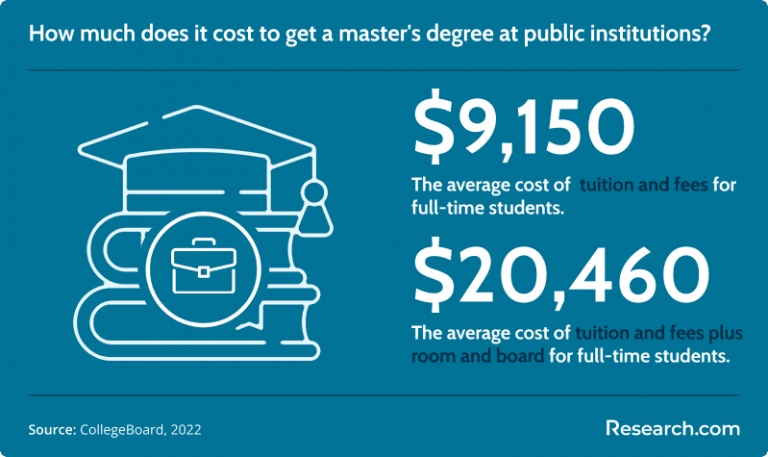
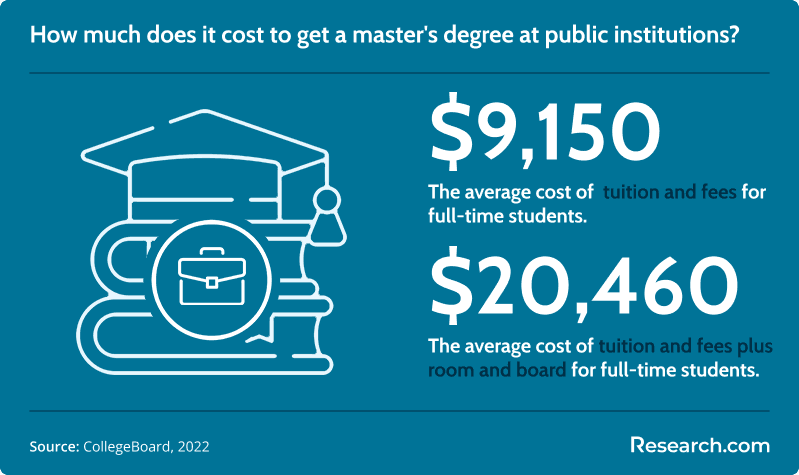
2026 Best Online Master’s Degree Programs in Finance | Research.com

Graduates of online finance master’s programs have a wealth of career paths available to them. Common roles include financial analyst, investment banker, financial manager, and risk manager. These positions are not only rewarding but also come with competitive salaries; for instance, financial analysts can expect to earn an average salary of around $83,000 annually, while financial managers may earn upwards of $130,000.Statistics show that job placement rates for graduates from top programs are quite favorable, with many schools reporting placement rates above 90%.

This high demand for finance professionals indicates a strong job market for those holding advanced degrees in finance.

Student Experiences and Testimonials

Student experiences in online finance master’s programs often highlight both challenges and successes. Many students express gratitude for the flexibility that online learning provides, allowing them to balance work and education effectively. However, some also note the importance of self-discipline and time management to succeed in this format.

“The online program allowed me to continue working while earning my degree, which was essential for my career growth.”

Jane D., Finance Graduate

“I loved the interactive elements of my classes, which made online learning feel less isolated.”

Mark S., Finance Graduate

Common themes in these testimonials include the importance of networking opportunities and the support offered by faculty and peers, which enhance the overall learning experience.

Financial Aid and Scholarships

Navigating financial aid options is crucial for students pursuing an online finance master’s degree. There are various resources available, including federal student loans, grants, and scholarships tailored specifically for finance students. Here’s a list of financial assistance resources for students:

  • FAFSA (Free Application for Federal Student Aid) for federal loans and grants.
  • Professional organizations offering scholarships for finance students, such as the CFA Institute.
  • University-specific scholarships aimed at graduate finance students.

Applying for these financial aid options can help lessen the financial burden and make obtaining a degree more accessible.

Future Trends in Online Finance Education

The landscape of online finance education is continuously evolving, with several emerging trends shaping its future. One significant trend is the increased integration of technology into coursework; tools such as data analytics and financial modeling software are becoming standard components of finance curriculums.Additionally, advancements in artificial intelligence and machine learning are influencing the skills taught in finance programs, preparing students for a rapidly changing job market.

These trends suggest that finance professionals will increasingly need to adapt and learn new technologies to stay competitive in their fields.As online education continues to grow, it’s likely that the job market for finance professionals will become even more dynamic, offering new opportunities for those who are prepared to embrace technological advancements.

Final Wrap-Up

In conclusion, pursuing a master’s degree in finance online not only opens doors to numerous career opportunities but also enhances one’s knowledge and skills in an ever-evolving field. By carefully selecting a program that aligns with your aspirations and utilizing available resources, you can set yourself on a path to success in the finance world.

Question Bank

What is the typical duration of online finance master’s programs?

Most online finance master’s programs can be completed in 1 to 2 years, depending on the course load and the institution’s structure.

Are online finance master’s degrees respected by employers?

Yes, accredited online finance master’s degrees are generally respected by employers, especially if the program is from a reputable institution.

What kind of financial aid is available for online students?

Online students can access federal financial aid, scholarships, grants, and institutional aid specifically offered for online programs.

Can I pursue a specialization within an online finance master’s program?

Many online finance master’s programs offer specializations in areas such as investment management, financial analysis, or corporate finance.

What are the typical admission requirements for these programs?

Admission requirements generally include a bachelor’s degree, letters of recommendation, a personal statement, and sometimes standardized test scores like the GMAT or GRE.

Kicking off with yahoo finance btc eur, this opening paragraph is designed to captivate and engage the readers, setting the tone as we delve into the exciting world of cryptocurrency trading. Yahoo Finance stands as a pivotal platform for investors, especially when it comes to tracking the dynamic relationship between Bitcoin and the Euro.

This piece will explore how Yahoo Finance integrates cryptocurrency data, particularly focusing on the BTC/EUR currency pair. With a blend of analytics and market insights, we aim to highlight the significance of these financial instruments in today’s economic landscape.

Overview of Yahoo Finance

Yahoo Finance is a comprehensive financial platform offering a variety of features and services to users, including real-time stock quotes, news updates, portfolio management tools, and historical data analysis. One of its significant strengths lies in its user-friendly interface, which allows both novice and experienced investors to navigate easily. The platform also provides a wealth of resources, like financial news articles, expert opinions, and market insights, making it an essential tool for anyone interested in finance.In recent years, Yahoo Finance has also integrated cryptocurrency data, particularly focusing on Bitcoin (BTC).

This inclusion reflects the growing interest in digital currencies, enabling users to track Bitcoin price movements, market capitalization, and trading volume seamlessly alongside traditional financial assets. The significance of Yahoo Finance in the realm of financial news cannot be overstated, as it serves as a reliable resource for investors looking to stay informed about market trends and economic changes.

Understanding BTC and EUR

Bitcoin (BTC) has emerged as a revolutionary player in the cryptocurrency market, being the first decentralized digital currency. Its role extends beyond mere digital transactions; it has become a store of value, often compared to gold, due to its limited supply. Bitcoin operates on a decentralized network, allowing for peer-to-peer transactions without the need for intermediaries, thereby offering transparency and security.The Euro (EUR), on the other hand, is one of the world’s major fiat currencies, serving as the official currency of the Eurozone.

It plays a crucial role in global economics, representing the second most traded currency after the US dollar. The relationship between BTC and EUR is particularly interesting, as Bitcoin’s price movements often reflect broader market sentiments, while the Euro’s value can be influenced by economic stability within Europe.

Tracking BTC and EUR on Yahoo Finance

Finding the BTC/EUR currency pair on Yahoo Finance is a straightforward process. Here’s a simple step-by-step guide:

  1. Visit the Yahoo Finance website.
  2. Use the search bar at the top of the page to enter “BTC/EUR”.
  3. Select the relevant currency pair from the drop-down list.
  4. You will be directed to a page displaying real-time price charts, historical data, and additional analytics.

Utilizing Yahoo Finance charts, one can easily compare BTC price trends against EUR over the last year. These visual tools allow investors to observe fluctuations and identify patterns, providing insights into potential market movements. The platform’s analytical tools further enhance this experience, making it easy to track cryptocurrency performance in EUR.

Analyzing Market Trends

Recent trends in BTC pricing against the Euro have been influenced by various factors including market sentiment and global economic events. Historical data from Yahoo Finance reveals that Bitcoin’s price has seen significant volatility, particularly as economic conditions shift. For instance, during economic downturns, Bitcoin often experiences price fluctuations that correlate with investors’ risk appetite.Global events such as regulatory changes, economic policies, and geopolitical tensions can dramatically impact both BTC and EUR values.

Insights from Yahoo Finance analytics can help predict market movements; for example, if a major country adopts a pro-cryptocurrency stance, Bitcoin’s value may rise against the Euro.

Investment Strategies with BTC and EUR

Creating a framework for investing in BTC based on EUR market movements involves understanding both assets’ dynamics. Investors should consider the following points:

  • Monitor EUR economic indicators that may influence BTC prices, such as inflation rates and employment statistics.
  • Assess Bitcoin’s historical performance during periods of Euro volatility to identify potential entry and exit points.
  • Explore diversified investment strategies that include both BTC and EUR to mitigate risks.

When trading BTC against EUR, potential risks include market volatility and regulatory uncertainties. Conversely, rewards may arise from the high return potential of Bitcoin as it attracts more mainstream adoption. Understanding currency fluctuations is essential, especially when utilizing Yahoo Finance data to inform investment decisions.

Utilizing Yahoo Finance Tools

The portfolio tracker feature on Yahoo Finance is an excellent tool for managing BTC and EUR investments. Users can set up their portfolios to include various assets, allowing them to monitor performance in real-time. Setting up alerts for BTC price changes in EUR is simple too. Users can customize notifications for significant price movements, ensuring they never miss critical trading opportunities.

Yahoo Finance also offers analytical tools that enable investors to evaluate performance metrics of BTC. These tools provide insights into trends, volatility, and comparisons with other currencies.

Community Insights and Opinions

The Yahoo Finance community is an active space for sharing opinions on BTC’s future against EUR. Many users express optimism about Bitcoin’s long-term potential, often referencing its growing acceptance among institutional investors. Expert opinions available on Yahoo Finance further enrich this conversation, providing analyses on trading strategies and market forecasts. A comparative analysis between community sentiments and expert predictions typically reveals a mix of optimism and caution, highlighting the need for informed decision-making in this volatile market.

Conclusive Thoughts

In conclusion, understanding the nuances of the BTC/EUR relationship on Yahoo Finance can empower investors to make informed decisions. By leveraging Yahoo Finance’s tools and insights, traders can better navigate the complexities of the cryptocurrency market and potentially enhance their investment strategies.

Helpful Answers

What is Yahoo Finance?

Yahoo Finance is a financial news and data platform that provides real-time data on various financial instruments, including stocks, bonds, cryptocurrencies, and more.

How can I track BTC/EUR on Yahoo Finance?

You can track BTC/EUR by searching for the currency pair on Yahoo Finance’s homepage, where you can view price charts and trends.

What tools does Yahoo Finance offer for cryptocurrency tracking?

Yahoo Finance offers portfolio tracking tools, alerts for price changes, and detailed historical data for cryptocurrency investments.

Can I set up alerts for BTC price changes in EUR?

Yes, Yahoo Finance allows users to set up alerts for specific price changes and notifications related to BTC performance in EUR.

What are the risks of investing in BTC against EUR?

Investing in BTC against EUR involves risks such as market volatility, regulatory changes, and economic factors that can influence currency values.

Free online courses in finance and economics open doors to vast knowledge and skills essential for navigating today’s complex financial landscape. They provide an accessible way for anyone interested in understanding the core principles that govern our economy and personal finance, making education a click away.

Various platforms like Coursera, edX, and Khan Academy offer a plethora of courses, catering to beginners and seasoned learners alike. These courses cover essential topics from budgeting and investment strategies to economic theories, ensuring that learners can find something that aligns with their interests and career goals.

Overview of Free Online Courses in Finance and Economics

In today’s fast-paced world, understanding finance and economics has never been more critical. Free online courses offer a fantastic opportunity for anyone eager to enhance their knowledge without the burden of tuition fees. These resources cater to a diverse audience, from beginners looking to grasp foundational concepts to professionals aiming to refine their expertise in specific areas. Numerous platforms provide these courses, including Coursera, edX, Khan Academy, and FutureLearn, each offering unique content and teaching styles.

This variety ensures that learners can find a course that suits their preferences and learning goals. Finance and economics education is vital as it equips individuals with the skills to make informed decisions, understand market trends, and apply analytical thinking to real-world problems.

Types of Free Online Courses Available

Free online courses in finance and economics can be categorized into several key areas. These areas include personal finance, investment strategies, economic theory, and financial markets. The following table Artikels the specific subjects covered in each category:

Category Subjects Covered
Personal Finance Budgeting, Saving, Debt Management
Investment Strategies Stock Market Analysis, Portfolio Management
Economic Theory Microeconomics, Macroeconomics, Behavioral Economics
Financial Markets Market Structures, Trading Strategies, Risk Management

Courses are typically offered in various formats, including video lectures, interactive quizzes, readings, and discussion forums. This flexibility allows learners to engage with the material in a way that best suits their learning style.

Benefits of Taking Free Online Courses

Enrolling in free online courses provides numerous advantages for both personal and professional growth. These courses offer an accessible way to gain new skills and knowledge that can enhance employability. The completion of such courses can be a notable addition to a resume, demonstrating initiative and a commitment to continuous learning.Many successful individuals have utilized free online education to advance their careers.

For instance, professionals in finance often cite online courses as pivotal in transitioning to new roles or acquiring specialized skills. Companies increasingly value candidates who take the initiative to learn independently, making these courses a wise investment in one’s future.

How to Choose the Right Course

Selecting a suitable free online finance or economics course involves careful consideration of several criteria. First, it is essential to evaluate the course content and ensure it aligns with your learning objectives. Additionally, the qualifications of the instructors and the overall reputation of the platform can significantly influence the course’s quality.When choosing a course, consider the following attributes:

  • Course syllabus and learning outcomes
  • Instructor credentials and experience
  • Platform reviews and ratings
  • Course duration and time commitment
  • Community support and interaction opportunities

By assessing these factors, learners can make informed decisions that enhance their educational experience.

Resources and Tools for Learning

To maximize the benefits of finance and economics courses, students can leverage various supplementary resources. Online tools, such as interactive financial calculators and data visualization software, can aid in understanding complex concepts. Moreover, platforms like LinkedIn Learning and YouTube offer additional insights and tutorials that complement coursework.Community forums and study groups also play a critical role in the learning process.

Engaging with peers allows for the exchange of ideas and clarifications on challenging topics, fostering a collaborative learning environment.

Strategies for Successful Online Learning

Best Online Finance Courses for Career Growth

Adopting effective study habits can significantly enhance the online learning experience. Regular review sessions, taking notes during lectures, and actively participating in discussions can help reinforce knowledge. Staying motivated while taking courses is essential. Setting clear goals, developing a study schedule, and creating a dedicated study space can help maintain focus and engagement. Time management is crucial; allocating specific times for studying can lead to more productive learning sessions.

Future Trends in Free Online Learning

The landscape of free online education in finance and economics is continuously evolving. Emerging trends include the integration of artificial intelligence and personalized learning experiences, which cater to individual learning paces and preferences. As technology advances, the potential for interactive and immersive learning environments increases, allowing for deeper engagement with the material.Comparatively, traditional education methods are becoming less dominant as online courses gain recognition for their flexibility and accessibility.

The shift toward online learning is likely to continue, providing valuable opportunities for learners worldwide to acquire essential skills in finance and economics.

Final Wrap-Up

In conclusion, the world of free online courses in finance and economics is not just about education; it’s about empowerment. By leveraging these resources, individuals can enhance their career prospects and gain valuable insights for personal development. Embrace this opportunity to learn and grow in a constantly evolving economic environment.

FAQs

What platforms offer free online courses in finance and economics?

Platforms like Coursera, edX, and Khan Academy provide a wide range of free courses in finance and economics.

Are free online courses as valuable as paid ones?

Many free online courses are taught by reputable instructors or institutions and can provide a solid foundation, though they might not offer certification.

How do I find the right course for my needs?

Consider your learning objectives, check reviews, and evaluate the course Artikel to find a course that fits your goals.

Can I get a job after completing free online courses?

Yes, completing relevant courses can enhance your resume and improve your skill set, making you more marketable to employers.

What types of resources complement these courses?

Supplemental resources may include online forums, study groups, eBooks, and additional video lectures that enhance your learning experience.

Free online finance courses UK open up a world of opportunities for anyone eager to enhance their financial knowledge without the burden of costs. The rising trend of online education has made it easier than ever for learners to dive into various finance topics, from budgeting to investment strategies, all at their own pace. With numerous platforms offering a wealth of resources, these courses are not just accessible but also tailored to meet the diverse needs of learners across the country.

The significance of these courses lies in their ability to equip individuals with essential skills that can lead to improved financial literacy and career advancement. As finance continues to be a critical component of personal and professional success, understanding the available options can empower individuals to make informed decisions that impact their future.

Introduction to Free Online Finance Courses in the UK

With the rising cost of education, free finance courses in the UK have become an essential resource for individuals looking to improve their financial literacy without the burden of tuition fees. These courses provide a gateway to understanding financial principles, investment strategies, and budgeting techniques that can benefit anyone, regardless of their background. Recent statistics show that online learning has surged in popularity, with a significant portion of learners gravitating towards finance-related subjects.In the UK, the demand for free online finance education has seen a noticeable uptick, driven by the need for financial knowledge in everyday life.

Various types of finance courses are available, covering topics from personal finance management to advanced investment strategies, ensuring that there is something for everyone.

Benefits of Taking Free Online Finance Courses

One of the primary advantages of online learning in finance is its flexibility. Learners can access courses at their convenience, allowing them to balance their studies with other commitments. Furthermore, these courses are accessible to a wide range of demographics, including students, working professionals, and retirees seeking to enhance their financial knowledge.Participants can gain valuable skills such as financial analysis, budgeting, and investment planning, which are increasingly relevant in today’s job market.

Understanding these concepts can lead to better job prospects and the ability to make informed decisions about personal and professional finances.

Popular Platforms Offering Free Finance Courses

There are several platforms that offer free finance courses, each with distinct features and offerings. Below is a comparison table of popular online platforms:

Platform Features Course Offerings Certification Options
Coursera Partnerships with top universities, flexible deadlines Courses in budgeting, investments, and financial markets Paid certifications available
edX MicroMasters programs, self-paced learning Finance essentials, risk management Verified certificates for a fee
FutureLearn Short courses, diverse subject matter Personal finance, investment strategies Certificates upon course completion

Each platform offers unique features, making it easier for learners to choose a course that aligns with their interests and goals. Certification options vary, providing learners with credentials that can add value to their resumes.

Course Topics Covered in Free Online Finance Courses

Free online finance courses cover a wide range of topics. Here’s a look at some common themes:

  • Budgeting: Understanding how to create and manage a budget is fundamental for personal finance. Courses typically cover techniques for tracking expenses and setting financial goals.
  • Investment Strategies: Learners explore different investment vehicles, risk assessment, and portfolio management to help them make informed investment decisions.
  • Financial Analysis: This topic delves into understanding financial statements and metrics, which are essential for evaluating business performance and making strategic decisions.

Courses also exist that focus on advanced finance topics, such as derivatives trading, corporate finance, and financial modeling, which are particularly beneficial for those looking to pursue careers in finance.

How to Choose the Right Course

Free online finance courses you should take now

When selecting a free finance course, several factors should be considered. The course length and difficulty level are crucial, as they should align with your current knowledge and available time. Reviews and ratings from previous learners can provide insights into the course quality and effectiveness.It’s also important to align the course content with your personal finance goals or career aspirations.

For instance, if you aim to enhance your investment skills, seek out courses that specialize in that area. Additionally, checking the credibility of the course provider helps ensure you’re receiving quality education from a reputable source.

Success Stories from Free Online Finance Courses

Many individuals have shared their success stories after completing free online finance courses. For instance, one learner transitioned from a non-financial background to a career in financial services, gaining confidence and expertise through structured online education. These courses have not only enhanced their career prospects but have also improved their overall financial literacy, enabling them to manage their personal finances more effectively.

Notable achievements include promotions, successful investments, and even launching personal finance blogs to share their newfound knowledge.

Future of Online Finance Education

The future of online finance education looks promising, with emerging trends such as interactive learning experiences and the integration of artificial intelligence. These developments are set to enhance the quality and accessibility of finance courses, making learning more engaging.Technology continues to play a pivotal role, offering innovative tools and platforms for learners. As the finance landscape evolves, opportunities for learners will likely expand, especially in areas like fintech and sustainable investing, driving the need for continuous education in finance.

Epilogue

In conclusion, free online finance courses UK provide an invaluable resource for those looking to boost their financial acumen and career prospects. With various platforms catering to different learning styles and goals, there’s something for everyone. As the landscape of finance education continues to evolve, embracing these opportunities will not only enhance personal financial management but also open doors to exciting professional pathways.

FAQ Summary

Are these courses really free?

Yes, many platforms offer free finance courses, although some may charge for certifications.

Can I get a certificate after completing a free course?

Some platforms provide a certificate for a fee, while others offer free certificates upon completion.

What skills can I gain from these courses?

You can learn skills like budgeting, financial analysis, and investment strategies that are highly valuable in the job market.

Do I need prior knowledge to enroll in these courses?

No, many courses are designed for beginners and provide foundational knowledge before advancing to more complex topics.

Can I access the courses anytime?

Yes, most online courses are self-paced, allowing you to access them at your convenience.

Online finance analyst courses are a gateway to understanding the intricate world of finance, providing aspiring professionals with the skills needed to thrive in today’s competitive job market. These courses are tailored to offer a comprehensive learning experience, blending theoretical knowledge with practical applications that enhance both understanding and employability.

From the fundamentals of financial analysis to advanced techniques, these courses cover a variety of key subjects and typically feature a structured curriculum designed to foster critical thinking and analytical skills. Engaging with these online platforms can set you on a path to a rewarding career in finance.

Overview of Online Finance Analyst Courses

Online finance analyst courses provide a deep dive into the essential skills and knowledge needed to thrive in the finance sector. These courses are designed to teach students about financial analysis, data interpretation, and strategic decision-making, all of which are critical in today’s economy. Typically, these courses are structured to cover theoretical concepts alongside practical applications, ensuring that students can apply what they learn in real-world scenarios.The duration of these courses can vary widely; some may last a few weeks, while others could extend over several months.

Many programs are flexible, allowing students to progress at their own pace. In today’s competitive job market, having a finance analyst certification can distinguish candidates from their peers, making these courses not just beneficial but essential for those looking to advance their careers in finance.

Course Content and Curriculum

The curriculum for online finance analyst courses covers a broad range of topics that are vital for aspiring finance professionals. Key subjects typically include:

  • Financial Statement Analysis
  • Investment Strategies
  • Risk Management
  • Data Analysis Techniques
  • Budgeting and Forecasting

Specific modules might include “Introduction to Financial Modeling,” where students learn how to build models that predict a company’s financial performance, or “Advanced Excel for Financial Analysis,” focusing on tools and functions that enhance data manipulation. Practical exercises are integral to the learning experience, as they allow students to apply financial theories and concepts to real-world scenarios, thereby solidifying their understanding and making the learning process more engaging.

Popular Platforms for Online Finance Courses

There are several notable platforms offering online finance analyst courses, each with its own features and structures. Some of the more popular ones include:

  • Coursera: Offers courses from various universities and institutions, providing a wide range of topics related to finance analysis.
  • Udemy: Features a plethora of courses with user-generated content, often at affordable prices and varying levels of depth.
  • edX: Provides university-level courses and often includes the option for accredited certificates for a fee.

User reviews of these platforms often highlight Coursera for its structured content from recognized institutions, while Udemy is praised for its affordability and variety. edX is commended for its academic rigor and the potential for earning recognized credentials.

Skills Acquired from Online Finance Analyst Courses

Complete Financial Analyst Course – Eduvalt

Completing an online finance analyst course equips students with a variety of essential skills that are applicable in real-world finance scenarios. Some of these skills include:

  • Analytical Thinking
  • Quantitative Analysis
  • Financial Reporting
  • Strategic Financial Planning

These skills are categorized by level as follows:

Skill Level Skills
Beginner Basic Financial Analysis, Excel Skills
Intermediate Data Interpretation, Financial Reporting
Advanced Investment Strategy, Risk Management

Career Opportunities After Completing Finance Analyst Courses

Graduates of online finance analyst courses have a wide array of career paths available to them. Common roles include financial analyst, investment analyst, and risk management consultant. The demand for finance analysts is particularly strong in sectors such as banking, insurance, and corporate finance, which are always in need of skilled professionals who can interpret complex data and provide strategic insights.Statistics reveal that finance analysts can expect competitive salaries, with entry-level positions starting around $60,000 annually, and experienced analysts earning upwards of $100,000, especially in larger corporations or high-demand industries.

Certification and Accreditation

Certifications related to finance analyst courses hold significant value in the finance industry. Recognized certifications, such as the Chartered Financial Analyst (CFA) and Certified Financial Planner (CFP), can greatly enhance a candidate’s job prospects and earning potential. Accredited courses usually provide more substantial career advantages compared to non-accredited ones, as they follow strict educational guidelines and often involve more rigorous testing and assessments.

Graduates from accredited programs are typically viewed more favorably by employers.

Study Tips for Success in Online Courses

To succeed in online finance analyst courses, students should adopt effective study strategies. Some key techniques include:

  • Creating a dedicated study schedule
  • Setting specific goals for each study session
  • Utilizing online forums and study groups for collaborative learning

A checklist for time management might include prioritizing tasks, breaking assignments into manageable chunks, and setting deadlines. Support networks, such as online forums and peer study groups, can also enrich the learning experience, providing motivation and fostering a sense of community.

Challenges of Online Learning in Finance

While online learning offers flexibility, it also presents challenges. Common issues students face include time management, lack of engagement, and the difficulty of staying motivated without a traditional classroom environment. To overcome these challenges, students can employ strategies such as setting a consistent daily routine, finding a quiet study space, and seeking accountability from peers. Self-motivation and discipline play crucial roles in navigating the online study landscape effectively.

Future Trends in Finance Education

Emerging trends in online finance education indicate a growing reliance on technology. Innovations such as AI-powered learning platforms and virtual reality simulations are enhancing the delivery of finance courses. These technologies offer interactive and immersive learning experiences that can better prepare students for real-world applications.As we look forward, predictions suggest that finance analyst training will continue to evolve, with increased emphasis on digital literacy and the integration of advanced data analysis tools into the curriculum.

This shift will likely align education with the rapidly changing demands of the finance industry, ensuring that graduates are well-equipped to tackle future challenges.

Closure

In conclusion, pursuing online finance analyst courses not only equips you with vital skills but also opens doors to diverse career opportunities in the finance sector. As the industry continues to evolve, the demand for knowledgeable finance analysts rises, making these courses a valuable investment in your future.

FAQ Summary

What are the prerequisites for enrolling in online finance analyst courses?

Most online finance analyst courses require a basic understanding of finance and mathematics, but specific prerequisites can vary by program.

How long does it typically take to complete these courses?

Completion times can vary, but most courses range from a few weeks to several months, depending on the course structure and your pace.

Are online finance analyst courses recognized by employers?

Yes, many of these courses are recognized by employers, particularly if they are accredited or offered by reputable institutions.

Can I study at my own pace in these courses?

Many online finance analyst courses offer flexible scheduling, allowing you to learn at your own pace while adhering to deadlines for assignments and exams.

What type of certification do I receive upon completion?

Upon completion, you typically receive a certificate of completion, and some courses may offer additional certifications that are recognized in the finance industry.