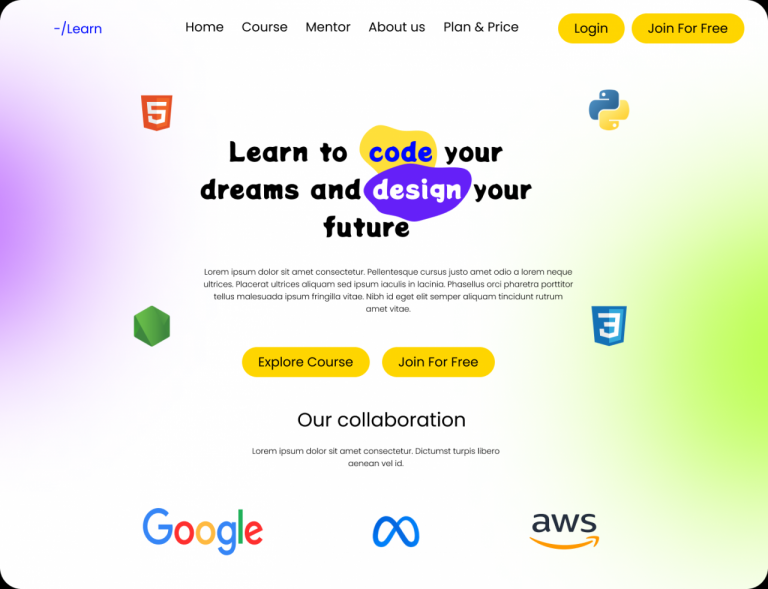
Kicking off with e learning platform design figma, this topic dives into the intricate world of creating engaging and effective online learning experiences. As e-learning continues to grow, understanding the design process is crucial for developers and educators alike.
We’ll explore fundamental features of e-learning platforms, valuable principles of effective design, and how Figma serves as a powerful tool in this exciting field. The blend of creativity and technology allows for a more intuitive approach to learning, ensuring that user experience and engagement take center stage.
Understanding E-Learning Platforms
E-learning platforms have transformed the way education is delivered, offering a flexible and accessible means for learners to engage with content. By utilizing technology, these platforms bridge the gap between traditional learning environments and modern digital needs. This section delves into the fundamental features of e-learning platforms, the importance of user experience in their design, and the key elements that contribute to effective learning outcomes.
Fundamental Features of E-Learning Platforms
E-learning platforms incorporate various features that enhance the learning experience. These features are designed to provide an interactive, engaging, and organized learning environment. Key features include:
- Course Management: Instructors can easily create, manage, and organize courses, including tracking learner progress and performance.
- Multimedia Content Delivery: The ability to integrate videos, audio, animations, and interactive simulations to cater to diverse learning styles.
- Assessments and Quizzes: Tools for creating assessments that measure knowledge and skills while providing immediate feedback to learners.
- Discussion Forums: Spaces where learners and instructors can interact, share ideas, and ask questions, fostering a collaborative learning environment.
- Mobile Compatibility: Ensuring that the platform is accessible on various devices, allowing learners to study anytime, anywhere.
Importance of User Experience in E-Learning Design
User experience (UX) plays a crucial role in the effectiveness of e-learning platforms. A positive UX can significantly affect learners’ engagement and retention rates. When designing an e-learning platform, considerations for UX include:
- Intuitive Navigation: The platform should have a clear and simple navigation structure, allowing users to easily find content and tools.
- Responsive Design: Ensures that all elements function seamlessly across devices, adapting to varying screen sizes for an optimal learning experience.
- Personalization: Features that allow users to customize their learning paths and content preferences, making the learning experience more relevant and engaging.
- Visual Clarity: Use of legible fonts, appropriate color schemes, and organized layouts that reduce cognitive load and enhance focus on educational content.
Key Elements Contributing to Effective Learning Outcomes
Several key elements influence the learning outcomes of e-learning platforms. These elements are essential for ensuring that learners not only engage with the content but also achieve their educational goals. Important elements include:
- Clear Learning Objectives: Establishing specific, measurable goals helps learners understand what they are expected to achieve by the end of a course.
- Active Learning Strategies: Incorporating activities that promote critical thinking, problem-solving, and application of knowledge increases retention and understanding.
- Feedback Mechanisms: Timely feedback on assessments and activities allows learners to identify areas for improvement and reinforces their learning journey.
- Community Building: Encouraging interactions among learners fosters a sense of belonging and motivation, enhancing overall learning experiences.
- Continuous Improvement: Regularly updating content and incorporating learner feedback ensures that the platform remains relevant and effective in meeting educational needs.
Principles of Effective Design
Designing an e-learning platform requires attention to detail and an understanding of user needs. Effective design enhances usability, ensures accessibility, and adapts seamlessly to various devices. By adhering to established principles, designers can create intuitive, engaging, and supportive experiences for learners.
Best Practices for Designing Intuitive User Interfaces
Creating an intuitive user interface is essential for facilitating a positive learning experience. A well-designed interface allows users to navigate easily and focus on their educational goals. Consider the following best practices:
- Consistency: Maintain uniformity in design elements such as buttons, fonts, and colors across all pages. This helps users predict outcomes and reduces cognitive load.
- Clear Navigation: Implement straightforward navigation menus that clearly indicate where users are and where they can go next. Use descriptive labels that reflect content accurately.
- Feedback Mechanisms: Provide immediate feedback for user actions, such as confirmations for submissions or notifications of errors. This enhances interactivity and user confidence.
- Visual Hierarchy: Use size, color, and positioning to prioritize information. Important elements should stand out, guiding users’ attention in a logical manner.
- Minimalism: Avoid clutter by focusing on essential content. A clean design helps users concentrate on the task at hand without distractions.
Role of Accessibility in E-Learning Platform Design
Accessibility is a critical aspect of e-learning platform design, ensuring all users, regardless of ability or disability, can access and benefit from educational content. Integrating accessibility features contributes to inclusive learning environments. Key considerations include:
- Keyboard Navigation: Ensure that all features are operable using keyboard shortcuts for users who may not utilize a mouse.
- Screen Reader Compatibility: Design content that is compatible with screen readers, providing text alternatives for non-text content to support visually impaired users.
- Color Contrast: Employ sufficient contrast between text and background colors to enhance readability for users with visual impairments.
- Adjustable Text Sizes: Allow users to adjust text sizes without breaking the layout, catering to those with varying visual acuity.
- Descriptive Links: Use descriptive hyperlinks that clearly explain the destination, aiding navigation for users relying on assistive technologies.
Importance of Responsive Design for Diverse Devices
In today’s digital landscape, learners access e-learning platforms through a variety of devices, including smartphones, tablets, and laptops. Responsive design ensures that content is easily readable and navigable, regardless of the screen size. Key components of responsive design include:
- Fluid Grids: Utilize a flexible grid layout that adjusts seamlessly to different screen sizes, maintaining visual integrity and usability across devices.
- Media Queries: Implement CSS media queries to alter the presentation of content based on the characteristics of the device, such as width and resolution.
- Touch-Friendly Elements: Design interactive elements that are easy to use on touch devices, ensuring buttons and links are adequately sized and spaced.
- Testing Across Devices: Regularly test the platform on various devices and browsers to identify and rectify any usability issues that may arise.
- Adaptive Content: Tailor content presentation based on user context, such as location and device, to enhance engagement and learning effectiveness.
Utilizing Figma for E-Learning Design
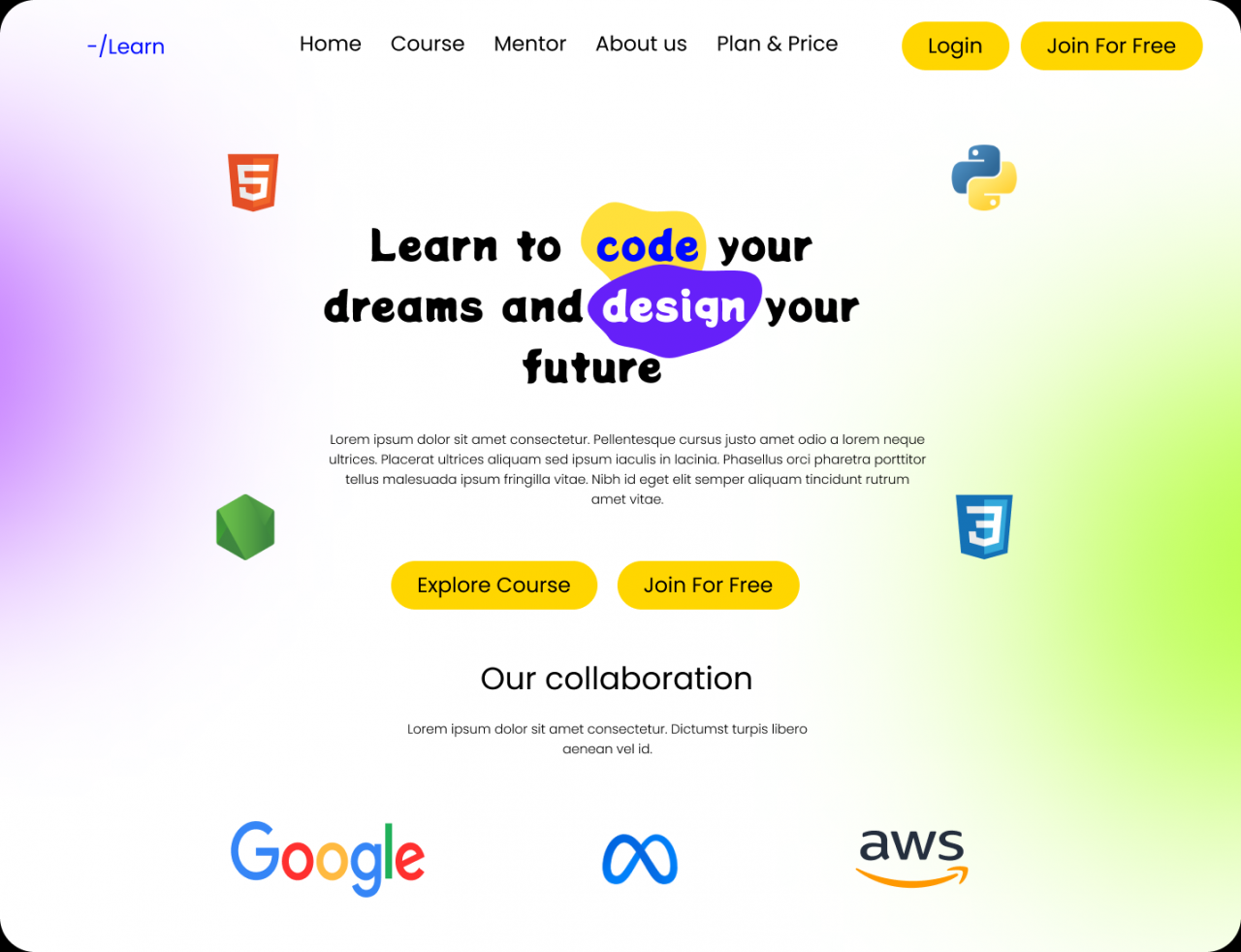
Figma has rapidly become a go-to tool for designers working on e-learning platforms due to its collaborative capabilities and user-friendly interface. As online education continues to grow, the need for effective design tools that can accommodate teams and streamline the design process is more crucial than ever. This overview delves into the advantages of using Figma for e-learning design, Artikels a straightforward method for creating a mockup, and compares its features to other design tools.
Advantages of Using Figma for E-Learning Design
Figma offers numerous advantages that make it particularly suited for e-learning platform design. Here are some of the key benefits:
- Real-Time Collaboration: Figma allows multiple users to work on the same design simultaneously, facilitating instant feedback and enhancing teamwork.
- Cloud-Based Access: Being a cloud-based tool means designs are accessible from anywhere, whether on a desktop or mobile device, making it convenient for remote teams.
- Component System: Figma’s reusable components simplify the design process, allowing for consistent UI elements across the e-learning platform.
- Prototyping Capabilities: Users can create interactive prototypes that mimic user flow, enabling stakeholders to visualize the end product.
- Cross-Platform Compatibility: Figma works across different operating systems without compatibility issues, ensuring that all team members can participate regardless of their devices.
Step-by-Step Guide on Creating a Mockup in Figma
Creating a mockup for an e-learning platform in Figma involves several key steps. This structured approach helps streamline the design process and ensures a comprehensive representation of the final product.
1. Set Up a New File
Open Figma and create a new design file. Set your canvas size based on the device you are designing for, whether it’s desktop, tablet, or mobile.
2. Create a Layout Grid
Use layout grids to ensure your design is organized and visually appealing. This grid will guide your placement of elements like text, images, and buttons.
3. Design the Header
Start by designing a header that includes the platform’s logo, navigation links, and login functionality. This establishes the primary navigation for users.
4. Add Content Sections
Divide the main content area into sections for courses, resources, and user engagement. Use Figma’s text and shape tools to Artikel these areas.
5. Incorporate Visual Elements
Utilize images and icons to enhance the visual appeal. Figma allows you to drag-and-drop images from your desktop directly onto the canvas.
6. Create Interactive Elements
Design buttons and links with clear calls to action. Use Figma’s prototyping feature to link these elements to simulate user interactions.
7. Use Components for Reusability
Convert frequently used design elements into components. This ensures consistency throughout the mockup and saves time on future iterations.
8. Finalize and Share
Review your design for coherence and usability. Once satisfied, share the mockup with stakeholders for feedback through Figma’s sharing features.
Comparison of Figma’s Features to Other Design Tools
When comparing Figma to other design tools used for e-learning such as Adobe XD and Sketch, several features stand out:
- Collaboration: Unlike Adobe XD, which requires cloud storage for sharing, Figma’s real-time collaboration allows for immediate feedback and discussion among team members.
- Platform Accessibility: Figma operates entirely in the browser, whereas Sketch is limited to macOS, making Figma the more versatile choice for teams with diverse operating systems.
- Design Systems: Figma excels in managing design systems with its team libraries, allowing for easy updates and sharing of components across different design projects.
- Prototyping Features: While both Figma and Adobe XD offer prototyping capabilities, Figma’s simplicity in linking screens and creating interactions is often seen as more user-friendly.
“Figma’s unique combination of features not only fosters collaboration but also enhances the overall design process, making it an ideal choice for e-learning platforms.”
Designing User-Centric Features
To create a successful e-learning platform, it’s essential to focus on user-centric features that promote engagement and effective learning. Such features can significantly enhance the overall experience for learners, making education not just a necessity but an enjoyable pursuit. By incorporating the right elements into the design, we can foster a more interactive and rewarding environment for users.
Essential Features for Learner Engagement
Identifying features that promote engagement is crucial for any e-learning platform. The following characteristics should be considered when designing user interfaces:
- Personalized Learning Pathways: Customizing content based on individual learner preferences and progress can significantly increase motivation.
- Progress Tracking: Allowing users to monitor their progress fosters a sense of achievement and encourages continued engagement.
- Discussion Forums: Incorporating community features where learners can share ideas, ask questions, and collaborate boosts engagement and learning outcomes.
- Resource Accessibility: Easy access to a variety of learning materials, including videos, articles, and quizzes, supports diverse learning styles.
Integration of Gamification Elements
Gamification can transform the learning experience by making it more engaging and enjoyable. Integrating elements such as points, badges, and leaderboards can tap into learners’ competitive instincts and encourage participation. The following gamification strategies can be integrated into the platform:
- Achievement Badges: Users earn badges for completing courses, participating in forums, or achieving high scores on assessments, promoting a sense of accomplishment.
- Leaderboard Rankings: Displaying rankings encourages healthy competition among learners, motivating them to improve their performance.
- Quests and Challenges: Incorporating tasks or challenges that users can complete offers additional engagement and can be tied to rewards or recognition.
- Time-Limited Events: Hosting competitions or challenges within a specific timeframe can create excitement and urgency, driving participation.
Interactive Components for Active Learning
Interactive components are vital for facilitating active learning. They encourage users to engage with the content rather than passively consume it, leading to better retention and understanding.Key interactive components to consider are:
- Interactive Quizzes: Quizzes that adapt based on user performance can provide immediate feedback and reinforce learning.
- Drag-and-Drop Activities: These allow users to manipulate elements within the platform, fostering a hands-on learning experience.
- Simulations: Realistic simulations can immerse users in practical scenarios, enhancing their understanding of complex concepts.
- Video Annotations: Enabling users to annotate videos with notes or questions can facilitate deeper engagement with the material.
Effective e-learning design hinges on creating a user-centric experience that champions engagement and interaction.
Collaboration and Feedback in Design
Collaboration and feedback are crucial components of the design process, ensuring that the end product not only meets aesthetic expectations but also addresses user needs effectively. Engaging team members from diverse backgrounds fosters creativity and innovation, leading to a more holistic approach to design.Team collaboration during the design process is essential in harnessing the collective expertise of individuals. Involving different stakeholders, such as designers, developers, and project managers, allows for a wealth of perspectives that enrich the design outcome.
Diverse teams can identify potential issues early and provide insights that a single designer might overlook. This collaborative spirit not only enhances the quality of the design but also fosters a sense of ownership and accountability among team members.
Methods for Gathering User Feedback on Design Prototypes
Collecting user feedback is critical to refining design prototypes and ensuring they meet user expectations. Various methods can be employed to gather this feedback effectively:
User Testing Sessions
Organizing sessions where real users interact with the prototype allows designers to observe behaviors and gather immediate feedback.
Surveys and Questionnaires
Distributing structured surveys following user interactions helps in quantifying user satisfaction and identifying common pain points.
Focus Groups
Bringing together a group of users to discuss their experiences with the prototype provides qualitative insights that can lead to deeper understanding of user needs.
A/B Testing
Working with two variations of a design and measuring user engagement helps in determining which version resonates better with the target audience.
Analytics Tools
Utilizing tools that track user engagement with the prototype can reveal patterns and areas for improvement.
Strategies for Implementing Iterative Design Based on Feedback
Adopting an iterative design process based on user feedback helps in refining the product progressively. This approach ensures that each iteration is informed by real user experiences and preferences. Effective strategies include:
Regular Feedback Loops
Establishing consistent intervals for gathering feedback ensures ongoing communication with users and stakeholders throughout the design process.
Prioritization of Feedback
Sorting feedback based on impact and feasibility helps in making informed decisions about what changes to implement in the next iteration.
Prototyping at Different Stages
Creating low-fidelity prototypes for initial concepts followed by high-fidelity versions allows for gradual refinement and user testing.
Cross-Functional Reviews
Engaging multiple departments in review sessions promotes shared understanding and collective problem-solving.
Documenting Changes and Rationale
Keeping a detailed log of feedback received and changes made helps maintain transparency and allows the team to revisit decisions if necessary.
Effective collaboration and iterative feedback not only improve design quality but also enhance user satisfaction, making the end product more successful in the market.
Prototyping and Testing
Creating interactive prototypes in Figma is a crucial step in the design process, allowing designers to visualize how users will interact with the e-learning platform. This phase involves translating static designs into dynamic, clickable prototypes that can demonstrate functionality and user flows. By simulating the user experience, teams can gather valuable feedback early in the design cycle.
Creating Interactive Prototypes in Figma
In Figma, creating interactive prototypes involves several key steps. First, designers should ensure that their frames and components are organized, as this will facilitate a smooth transition into prototyping. Once the design is in place, the prototype tab in Figma allows for the linking of frames through interactions. Designers can set up triggers such as clicks or hovers that will lead to specified destinations, providing a realistic navigation experience.
Interactive elements like buttons and forms can be configured with various states, such as hover or pressed, to reflect the end-user experience accurately. Transition animations can also be added to enhance the flow between screens, making the prototype feel more fluid and engaging. Collaboration with stakeholders can occur during this phase, as sharing prototypes through links enables instant access and feedback.
Significance of Usability Testing
Usability testing plays a pivotal role in the design cycle, particularly for an e-learning platform. This process involves observing real users as they interact with the prototype to identify usability issues and gather insights into their experiences. The significance of usability testing lies in its ability to highlight areas for improvement before the final product launch. By conducting usability tests, designers can ensure that the platform is user-friendly, intuitive, and meets the needs of its users, ultimately leading to higher satisfaction and engagement rates.
Real-world examples, such as platforms like Coursera or Udemy, have benefitted from rigorous usability testing, allowing them to refine their interfaces based on user feedback.
Checklist for Testing Key Functionalities
Before the launch of an e-learning platform, it’s essential to conduct thorough testing of its key functionalities. This checklist can guide the testing process to ensure all critical components are evaluated.The following points highlight important functionalities to test:
- Registration and Login: Confirm the ease of account creation and access for users.
- Course Navigation: Ensure users can easily browse, filter, and search for courses.
- Content Accessibility: Verify that all content is accessible on various devices and screen sizes.
- Video and Audio Playback: Test the functionality of media players, including buffering and playback controls.
- Quizzes and Assignments: Check the submission process and provide feedback mechanisms for assessments.
- User Support: Test the functionality of help sections, FAQs, and contact options for user support.
This checklist ensures that essential features function correctly, providing a smooth user experience. Collecting feedback during this phase helps in identifying unseen issues, enhancing the platform’s overall quality and usability.
“Prototyping is about testing ideas quickly, and testing is about understanding user behavior.”
Visual and Branding Elements
Creating a cohesive branding strategy for e-learning platforms is vital in establishing a strong identity and fostering trust among users. A well-defined brand not only attracts learners but also enhances their overall experience, making them more likely to engage with the content and return for more. Elements such as logos, color schemes, typography, and imagery all play a significant role in how the platform is perceived.Color psychology is crucial in design choices as colors evoke emotions and behaviors.
Understanding how different hues affect learning and engagement can inform decisions that align with the desired user experience. For instance, blue often promotes calmness and trust, making it suitable for educational platforms, while vibrant colors like orange can stimulate enthusiasm and creativity.
Cohesive Branding Strategy
A cohesive branding strategy encompasses various elements that work together to create a unified appearance and message. Here are key components to consider:
- Logo Design: The logo should be simple yet memorable, representing the essence of the platform and easily recognizable across different media.
- Color Palette: Select a limited color palette that reflects the brand’s personality and resonates with the target audience.
- Typography: Consistent use of fonts enhances readability and reinforces brand identity. Choose fonts that align with the educational goals of the platform.
- Imagery Style: Use images that convey professionalism and relatability. Illustrations, stock images, or custom graphics should align with the overall tone of the brand.
Role of Color Psychology in Design Choices
Color psychology significantly influences user emotions and behaviors in educational settings. Different colors can enhance focus, motivation, and overall learning effectiveness. Incorporating color psychology into design choices can lead to a more engaging learning experience. Here are some commonly used colors and their effects:
- Blue: Conveys trust and dependability, often used in educational platforms to promote a sense of security.
- Green: Represents growth and tranquility, beneficial for platforms focused on well-being or environmental education.
- Yellow: Stimulates mental activity and creativity, suitable for interactive and innovative learning platforms.
- Red: Captures attention and creates urgency, effective for important announcements or calls to action.
Font and Imagery Guidelines for Educational Content
Choosing the right fonts and imagery is crucial in maintaining a professional and engaging educational environment. Consistency in these elements helps reinforce the brand. Here are some guidelines:
- Font Selection: Opt for sans-serif fonts for digital reading as they are generally easier to read on screens. Limit font variations to maintain a clean aesthetic.
- Font Sizes: Ensure a clear hierarchy of information with varying sizes; headings should be larger than body text for easy navigation.
- Imagery Quality: Use high-resolution images that are relevant and enhance the learning material. Avoid using overly complex visuals that may distract from the content.
- Consistent Style: Maintain a consistent style across all images—whether illustrations or photographs—to create a unified look.
Future Trends in E-Learning Design
As the landscape of education rapidly evolves, e-learning platform design is increasingly influenced by emerging technologies and changing user preferences. Understanding these trends is vital for creating engaging and effective learning experiences. This section explores the technologies shaping e-learning design, the trends in user preferences, and the role of AI and machine learning in personalizing learning paths.
Emerging Technologies Impacting E-Learning Platform Design
The integration of advanced technologies has significant implications for e-learning design. Notable advancements include:
- Virtual Reality (VR) and Augmented Reality (AR): These immersive technologies provide learners with interactive environments that simulate real-world scenarios. For example, medical students can practice surgeries in a virtual setting, enhancing their skills without risk.
- Gamification: Incorporating game mechanics into e-learning platforms enhances engagement and motivation. Points, badges, and leaderboards are often used to create a competitive learning atmosphere.
- Mobile Learning: With the rise of smartphones, e-learning platforms are increasingly optimized for mobile devices, allowing learners to access content anytime, anywhere. This flexibility caters to the on-the-go lifestyles of modern learners.
User Preferences for E-Learning Experiences
E-learning design must adapt to the evolving preferences of users. Key trends include:
- Personalized Learning: Users prefer tailored experiences that cater to their specific learning styles and paces. This approach enhances retention and satisfaction.
- Microlearning: Short, focused learning modules align with the attention spans of today’s learners. Microlearning allows users to absorb information in brief, manageable segments.
- Social Learning: Collaborative features, such as peer discussions and group projects, are highly valued. Social interaction enhances the learning experience by fostering community and support.
Potential of AI and Machine Learning in Personalizing Learning Paths
AI and machine learning play a crucial role in enhancing e-learning experiences through personalization. By analyzing user data, these technologies enable platforms to:
- Adapt Content: AI algorithms can recommend resources based on a learner’s performance and preferences, creating a customized learning journey.
- Predict Learning Outcomes: Machine learning models can forecast a learner’s success based on their engagement patterns, allowing early intervention when needed.
- Automate Assessments: AI can assist in grading and providing feedback, streamlining the assessment process and giving educators more time to focus on teaching.
Emerging technologies and user preferences are reshaping the future of e-learning design, making it more engaging and personalized than ever before.
Summary
In summary, mastering the art of e learning platform design figma not only enhances the learning journey but also prepares educators and learners for future advancements in technology. By focusing on user-centric features, collaboration, and testing, we can create impactful educational experiences that resonate with diverse audiences.
Commonly Asked Questions
What is Figma and why is it used for e-learning design?
Figma is a collaborative design tool that allows designers to create, prototype, and share e-learning platform designs efficiently.
How can I ensure my e-learning platform is accessible?
Implement accessibility features such as screen reader compatibility, keyboard navigation, and color contrast to accommodate all learners.
What are some best practices for user interface design in e-learning?
Focus on simplicity, consistency, intuitive navigation, and clear feedback to enhance the user experience.
How important is mobile responsiveness in e-learning design?
Mobile responsiveness is essential as learners access content from various devices; a responsive design ensures a seamless experience.
What role does user feedback play in e-learning platform design?
User feedback is crucial for continuous improvement, helping designers refine features based on actual user experiences.