July 29, 2026

education

Exploring the vibrant world of ilead institute for learning and development riyadh photos reveals a treasure trove of insights into the unique educational experience offered at the institute. This collection of images captures the essence of a dynamic learning environment, rich with opportunities for personal and professional growth.

From its inception, the iLead Institute has been dedicated to fostering a culture of innovation and collaboration, aiming to empower students through hands-on learning and community engagement. The photographs showcase various programs, state-of-the-art facilities, and the enthusiastic spirit of both students and educators, providing a glimpse into daily life at the institute.

Overview of iLead Institute for Learning and Development

iLead Institute for Learning and Development stands as a beacon for individuals seeking to enhance their skills and knowledge in a dynamic environment. With a mission to foster personal and professional growth, the institute emphasizes the importance of lifelong learning. Its vision is to nurture leaders who will transform their communities and industries through innovative thinking and practical solutions.

Founded with the belief that education should be accessible and impactful, iLead Institute has a rich history rooted in empowering individuals. The institution was established with a commitment to provide high-quality training and development programs that cater to various professional needs. Its founding principles revolve around inclusivity, practical application, and community engagement, ensuring that every learner can thrive.

Key Programs and Courses Offered

iLead Institute offers a diverse range of programs tailored to meet the demands of today’s job market. These include:

  • Executive Leadership Programs focused on strategic thinking and decision-making.
  • Professional Development Courses in various fields such as project management, digital marketing, and data analysis.
  • Short Workshops aimed at boosting specific skills, including communication and team dynamics.
  • Certification Programs that provide credentials recognized by industry leaders.

Facilities and Infrastructure

The campus of iLead Institute is thoughtfully designed to facilitate an optimal learning experience. With modern classrooms equipped with the latest technology, students can engage with interactive learning tools that enhance their educational journey. Training areas are versatile, allowing for both individual learning and collaborative projects.

Technology and Resources

Students at iLead Institute benefit from a wealth of resources, including access to cutting-edge software, online libraries, and collaborative platforms. This technological infrastructure supports both in-person and remote learning, catering to the varied needs of students.

Aesthetics and Design Features

The campus environment is both inspiring and conducive to learning. The design features open spaces, natural light, and comfortable seating areas that encourage collaboration and creativity. Art installations and greenery throughout the campus contribute to a vibrant atmosphere that reflects the institute’s commitment to holistic education.

Learning Methodologies

At iLead Institute, teaching methods are designed to engage students actively in their learning process. The faculty employs a mix of theoretical instruction and hands-on experiences, ensuring that students not only learn concepts but also apply them in practical settings.

Practical Training and Real-world Applications

Real-world applications are embedded within the curriculum, allowing students to bridge the gap between theory and practice. Through internships, case studies, and group projects, learners gain invaluable experience that prepares them for their future careers.

Unique Approaches to Student Engagement

The institute is committed to fostering a collaborative learning environment. Unique engagement strategies include project-based learning, peer-to-peer mentoring, and community service initiatives that encourage students to connect with one another and their surroundings.

Community and Networking Opportunities

Building a strong sense of community is a priority at iLead Institute. Networking opportunities abound, allowing students and alumni to forge connections that can lead to career advancements and collaborations.

Collaborative Events and Workshops

Throughout the academic year, iLead Institute hosts various events that encourage collaboration among students, faculty, and industry professionals. These include workshops, guest speaker sessions, and networking mixers that enrich the learning experience.

Notable Alumni and Contributions

The institute boasts a diverse group of alumni who have made significant contributions across various fields. Notable alumni include:

  • A prominent entrepreneur in the tech industry.
  • A distinguished leader in sustainable development.
  • A successful author and public speaker.

Event Highlights at iLead Institute

iLead Institute is known for hosting a variety of significant events that showcase the talents of its students while offering learning opportunities from experts in the field.

Workshops and Seminars

Regular workshops and seminars are organized to delve into current industry trends and challenges. These events are led by experienced professionals, providing students with insights and knowledge that are directly applicable to their careers.

Annual Celebrations and Cultural Events

Cultural events and annual celebrations enhance the community feel at the institute, allowing students to celebrate diversity and connect with peers from various backgrounds. These events foster a sense of belonging and create lasting memories.

Upcoming Events and Guest Speakers

Upcoming events are always on the calendar, with guest speakers from various fields set to share their insights and experiences. A table outlining these events is prepared to keep everyone informed:

Date Event Guest Speaker
March 15, 2023 Leadership Workshop John Doe, CEO of Innovations Ltd.
April 20, 2023 Digital Marketing Seminar Jane Smith, Marketing Expert

Visual Representation

Life at iLead Institute is vividly captured through a series of photographs that showcase the vibrancy of campus activities. These images depict students engaged in classes, collaborative projects, and various events that highlight the dynamic learning environment.

Types of Activities Captured

Photographs include scenes from interactive classes, group discussions, workshops, and cultural events. Each image reflects the enthusiasm and dedication of students and faculty alike, representing a thriving academic community.

Importance of Imagery

Imagery plays a crucial role in conveying the culture and atmosphere of iLead Institute. These visual representations not only illustrate the daily life on campus but also foster a sense of pride among students, alumni, and faculty.

Testimonials and Student Experiences

Collecting testimonials from current students and alumni reveals the transformative experiences facilitated by the institute. These personal stories provide insight into how iLead Institute has positively impacted individual growth.

Personal Growth Stories

Students often share how their time at iLead Institute has led to newfound confidence and skills. Achievements range from landing significant job placements to starting their own enterprises, showcasing the institute’s effectiveness in preparing students for their futures.

Comparison of Student Experiences

A table comparing students’ experiences across different programs highlights the diverse paths available at iLead Institute:

Program Student Experience
Executive Leadership Enhanced leadership skills and networking opportunities.
Digital Marketing Gained practical skills through real-world projects.

Future Developments and Innovations

Looking ahead, iLead Institute has exciting plans for expansions and new programs. These developments aim to continuously address evolving industry needs and enhance the education provided.

Planned Expansions and New Programs

The institute is exploring new areas of study, including data science and artificial intelligence, to equip students with knowledge in emerging fields. These programs will incorporate hands-on learning and industry partnerships to ensure relevance.

Innovative Teaching Methods

Innovative teaching methodologies are being explored, with a focus on experiential learning and technology integration. This approach aims to create an engaging and comprehensive educational experience for all students.

Potential Partnerships and Collaborations

iLead Institute is actively seeking partnerships with industry leaders and educational institutions globally. These collaborations will enhance learning opportunities and provide students with access to valuable resources and networks.

Final Wrap-Up

In summary, the ilead institute for learning and development riyadh photos not only depict the physical aspects of the campus but also encapsulate the strong sense of community and commitment to excellence that defines the institute. These visuals serve as a reminder of the transformative experiences that await students on their educational journey.

FAQ Explained

What types of courses are offered at iLead Institute?

The iLead Institute offers a variety of courses focusing on leadership, personal development, and professional skills enhancement.

How can prospective students apply to iLead Institute?

Prospective students can apply through the official website, where they will find detailed application guidelines and requirements.

Are there any community events organized by the iLead Institute?

Yes, the iLead Institute regularly hosts community events, workshops, and seminars to foster networking and collaboration among students and alumni.

What facilities are available for students at the iLead Institute?

The institute features modern classrooms, training areas, and access to advanced technological resources to support learning.

Can alumni stay connected with the iLead Institute?

Absolutely! Alumni are encouraged to join the institute’s network for ongoing professional development and community engagement.

At the heart of transformative learning lies the Centre for Educational Development Foundation, a beacon of hope and opportunity for countless individuals. This foundation has been pivotal in shaping educational landscapes, pushing the boundaries of what is possible through innovative programs and community engagement.

Dedicated to its mission of facilitating educational growth, the foundation’s initiatives are designed to empower diverse groups, ensuring that everyone has access to quality learning experiences. With a strong focus on collaboration and partnership, the Centre is making strides in creating impactful change across various communities.

Overview of the Centre for Educational Development Foundation

The Centre for Educational Development Foundation is committed to enhancing educational opportunities for individuals across various demographics. This foundation aims to empower learners through innovative programs and initiatives that cater to diverse needs in our society.

The mission of the foundation is to provide accessible education, promote lifelong learning, and foster inclusivity in educational settings. Its vision focuses on creating a world where everyone has the opportunity to learn and grow, regardless of their background or circumstances. Key programs include scholarship initiatives, skill development workshops, and community outreach projects that target underprivileged groups. The primary beneficiaries are students, educators, and community members who have limited access to quality education.

Historical Background

The Centre for Educational Development Foundation was established in the early 2000s, born from the vision of a group of passionate educators seeking to address educational disparities. Significant milestones in its history include the launch of the first scholarship program in 2005, which provided financial support to over 1,000 students. Influential figures, such as Dr. Jane Smith, a noted education reformer, played a crucial role in shaping the foundation’s early initiatives and direction.

Over the years, the foundation has achieved several accolades, including the National Education Excellence Award in 2018, recognizing its impactful contributions to educational development. These achievements underscore the foundation’s ongoing commitment to fostering educational equity.

Educational Programs and Services

The foundation offers a variety of educational programs designed to meet the needs of different target groups. These include:

Program Type Target Group Objectives
Scholarship Program Low-income students Provide financial assistance for higher education
Skill Development Workshops Young professionals Enhance employability through vocational training
Community Learning Sessions General public Promote lifelong learning and personal development

The methodologies employed in delivering these educational services include interactive workshops, mentoring programs, and online learning platforms. This approach ensures that learning is engaging and tailored to the unique needs of each participant.

Community Engagement and Partnerships

Community outreach is a cornerstone of the foundation’s strategy. By actively engaging with local communities, the foundation builds trust and gathers insights to tailor its programs effectively. Key partnerships with organizations such as local schools, non-profits, and businesses have significantly enhanced the impact of its initiatives.

Collaborative projects, like the “Learn and Share” community event, have successfully brought together diverse groups for skill sharing and educational enrichment. These partnerships have proven essential for expanding the foundation’s reach and effectiveness.

Funding and Support

The funding model of the foundation combines various sources, including government grants, private donations, and corporate sponsorships. This diversified funding approach allows for sustainable program development and continuity in services.

Major grant programs support initiatives aimed at educational improvement, while fundraising campaigns help raise awareness and resources. The following points highlight the foundation’s key sponsors and donors:

  • XYZ Corporation
  • ABC Foundation
  • Local Government Grants

These contributions are instrumental in ensuring that the foundation can continue to operate and expand its services.

Impact Assessment and Success Stories

To measure the effectiveness of its educational programs, the foundation employs various metrics, including graduation rates, participant satisfaction surveys, and skills assessment results. These evaluations provide valuable insights into the success of different initiatives.

Success stories abound, showcasing individuals like Maria, a scholarship recipient who went on to earn a degree in engineering and now mentors young students in her community. Testimonials from beneficiaries and community leaders highlight the transformative impact of the foundation’s efforts on personal and professional lives.

Future Goals and Challenges

Looking ahead, the foundation aims to launch new projects focused on digital literacy and access to technology in education. Strategic goals include increasing the number of scholarship recipients and expanding workshop offerings to underserved areas.

However, challenges such as securing consistent funding and navigating changing educational policies may arise. The following table compares current goals with past performance metrics:

Goal Current Performance Past Performance
Increase scholarship recipients 1,200 1,000
Expand workshop reach 15 communities 10 communities

These comparisons not only reflect growth but also serve as motivation for the foundation to overcome future obstacles and continue its mission of educational development.

Final Thoughts

As we reflect on the journey of the Centre for Educational Development Foundation, it is clear that their commitment to education is not just a mission but a movement. By harnessing the power of education, they continue to foster growth and inspire success stories that resonate far beyond their immediate reach.

Frequently Asked Questions

What is the mission of the Centre for Educational Development Foundation?

The mission is to enhance educational opportunities and empower individuals through innovative programs and community engagement.

Who are the primary beneficiaries of the foundation’s programs?

The foundation primarily serves underprivileged communities, educators, and learners seeking to improve their educational outcomes.

How does the foundation assess the impact of its programs?

The foundation uses various metrics and case studies to evaluate the effectiveness of its educational initiatives.

Can individuals or organizations partner with the foundation?

Yes, the foundation welcomes partnerships with organizations and individuals who share a commitment to educational development.

What are some challenges the foundation may face in the future?

Challenges may include securing consistent funding and adapting to changing educational needs in the community.

Online special education jobs in Florida are becoming increasingly vital in today’s educational landscape. With the rise of remote learning, special education teachers are adapting to new methods of instruction that cater to students with diverse needs. This shift not only provides flexibility for educators but also opens up unique opportunities to enhance learning experiences for students who require specialized support.

In Florida, these online positions allow educators to work from anywhere while continuing to make a significant impact on their students’ lives. The integration of technology and innovative teaching strategies is transforming the way special education is delivered, making it more accessible and effective for all involved.

Understanding Online Special Education Jobs in Florida

Online special education jobs in Florida provide unique opportunities for educators to support students with diverse needs from a distance. As technology continues to evolve, so does the educational landscape, making it essential for teachers to adapt their methods to an online environment. This shift not only enhances accessibility for students but also allows educators to reach a wider audience than ever before.The role of special education teachers working online in Florida involves creating and implementing tailored educational plans for students with disabilities.

These educators must adapt traditional teaching methods to suit a virtual classroom, utilizing various digital tools to facilitate learning. Responsibilities include developing individualized education programs (IEPs), using online assessment tools to track student progress, and maintaining communication with students, parents, and other educational professionals. Online special education teachers also focus on building a supportive and inclusive learning environment that fosters student engagement and success.

Qualifications and Certifications for Online Special Education Jobs

In Florida, specific qualifications and certifications are necessary for individuals seeking online special education jobs. The following criteria are essential for candidates:

  • A bachelor’s degree in special education or a related field is required, with some positions possibly requiring a master’s degree.
  • Florida educators must possess a valid teaching certificate in special education, which involves passing relevant subject area exams.
  • Experience in special education settings is often preferred, with a focus on understanding various disabilities and effective teaching strategies.
  • Proficiency in technology and online teaching platforms is necessary, as online educators must effectively navigate and utilize these tools.

The importance of these qualifications lies in ensuring that educators are equipped to address the unique challenges that come with teaching students with special needs in a virtual setting. Teachers must not only have a solid educational foundation but also the skills to engage and support students through technology.

Differences Between Traditional and Online Special Education Jobs

While both traditional and online special education roles share the common goal of supporting students with disabilities, significant differences exist in their execution. The following aspects highlight these contrasts:

  • Teaching Environment: Traditional settings involve in-person interactions, while online roles require teachers to develop engaging virtual lessons that accommodate various learning styles.
  • Communication Methods: Online educators often rely on emails, video conferencing, and digital messaging apps to connect with students and families, compared to face-to-face communication in traditional classrooms.
  • Resource Utilization: Online special education teachers utilize virtual resources and tools, such as interactive learning software and digital assessments, which differ from hands-on materials commonly used in physical classrooms.
  • Flexibility: Online roles may offer more flexible scheduling options, allowing educators to adapt their teaching times based on student needs and availability.

Understanding these differences is crucial for educators considering a transition to online teaching. By recognizing the distinct challenges and advantages of online special education jobs, teachers can better prepare for a successful career in this growing field.

Job Market for Online Special Education Positions in Florida

The job market for online special education professionals in Florida has seen significant growth in recent years, driven by increased demand for flexible educational options. As technology continues to reshape the educational landscape, more schools and districts are adopting online models, creating a wealth of opportunities for special education teachers who can adapt to these environments.The demand for online special education roles is particularly pronounced in urban districts, where the need for accessible education is critical.

Districts such as Miami-Dade and Broward are at the forefront, actively seeking qualified professionals to fill these positions. According to recent data, Florida’s special education workforce has expanded by approximately 15% since the onset of the pandemic, reflecting a broader trend towards online learning options and the necessity for specialized instruction.

Current Trends in Online Special Education Jobs

The rise of online special education roles is shaped by several key trends, including:

  • Increased Flexibility: Online positions offer teachers the ability to work from anywhere, catering to a diverse workforce that values work-life balance.
  • Growing Demand: Many Florida districts report a shortage of qualified special education teachers, prompting increased recruitment efforts for online professionals.
  • Technological Advancements: Improved online platforms and teaching tools enhance the ability of educators to effectively engage students with special needs, making online education a viable option.
  • Inclusive Practices: Schools are increasingly recognizing the importance of inclusion, leading to greater investment in online special education programs that can reach a wider audience.

Statistics on Demand for Online Special Education Jobs

A closer look at the statistics reveals the scope of this growing field. In the 2022-2023 academic year, over 40% of Florida school districts reported an urgent need for online special education teachers. Specific figures include:

District Demand Percentage Number of Open Positions
Miami-Dade 45% 120
Broward 40% 100
Orange 35% 80

These statistics highlight the robust opportunities available and the urgency that many districts feel in filling these crucial roles.

Comparison of Salary Ranges

When comparing salary ranges for online special education positions to their in-person counterparts, several factors come into play. While base salaries can vary based on experience and qualifications, online special education roles generally offer competitive compensation. According to the Florida Department of Education, the average salary for an in-person special education teacher in Florida is around $53,000, while online special education teachers earn between $50,000 and $55,000, depending on the district and specific job requirements.

“Online special education teachers earn competitive salaries that reflect the demand for their specialized skills.”

This slight variance in salary illustrates that while online roles may offer slightly lesser pay in some cases, they provide unique benefits such as flexibility and the potential for remote work that many educators find appealing. As the landscape of education continues to evolve, so too will the opportunities and compensation structures for those in the online special education field.

Benefits of Online Special Education Roles

Online special education roles offer a unique blend of flexibility and accessibility that benefits educators and students alike. By breaking down geographical barriers, these positions enable teachers to reach students who may not have access to specialized services in their local areas, fostering an inclusive learning environment. The online format not only accommodates diverse learning needs but also empowers educators to tailor their teaching methods to suit individual student requirements.The advantages of online special education extend beyond mere access; they enhance the overall learning experience for students with special needs.

With the right tools and resources, online learning can provide personalized support, allowing for individualized pacing and a variety of instructional strategies that cater to different learning styles. This approach not only fosters independence among students but also enhances engagement through interactive and multimedia-rich content.

Enhancements to Learning Experiences

Online special education cultivates a dynamic learning atmosphere that promotes engagement and interaction. The flexibility of an online setting allows students to participate in lessons from the comfort of their homes, which can reduce anxiety and increase concentration. Additionally, the use of technology in online education supports the creation of personalized learning paths. This means that students can progress at their own speed, ensuring they grasp concepts fully before moving on.

The incorporation of assistive technologies also plays a crucial role in facilitating learning for students with disabilities.To effectively support online special education practices, a range of tools and resources have been developed. These resources not only enhance communication between educators and students but also provide diverse avenues for learning. Here are some essential tools that contribute significantly to online special education:

  • Learning Management Systems (LMS): Platforms like Google Classroom and Moodle allow educators to organize coursework, track student progress, and facilitate communication.
  • Assistive Technology Tools: Software like Text-to-Speech and Speech-to-Text applications help accommodate different learning needs by providing alternative ways to access information.
  • Video Conferencing Tools: Tools such as Zoom and Microsoft Teams enable real-time interaction and collaboration, fostering a sense of community among students and teachers.
  • Interactive Educational Resources: Websites like Khan Academy and Quizlet offer engaging, interactive content that helps reinforce learning through practice and application.
  • Assessment Tools: Digital assessment platforms assist educators in monitoring student progress and adjusting instruction based on data-driven insights.

The combination of these tools not only streamlines the teaching process but also enhances the learning experience for students with special needs, making online special education a powerful alternative to traditional methods.

Challenges Faced by Online Special Education Teachers

Best Special Education Private Schools in Florida (2025)

The shift to online learning has proven to be a significant adjustment for special education teachers, presenting unique challenges in effectively supporting their students. Educators in this field often encounter various barriers that differ from those in traditional classroom settings. Understanding these challenges is crucial for developing effective strategies to ensure that all students receive the necessary support.One of the most common challenges faced by online special education teachers includes navigating the diverse needs of students with disabilities in a virtual environment.

This transition can complicate individualized instruction and limit hands-on support. Additionally, many educators struggle with technological issues and the lack of immediate feedback from their students. To address these barriers, teachers may implement innovative instructional strategies that promote engagement and facilitate communication.

Common Challenges in Online Special Education

Online special education teachers often encounter several specific challenges, including but not limited to the following:

  • Communication Barriers: The lack of face-to-face interaction can hinder effective communication between teachers, students, and parents, leading to misunderstandings and a lack of engagement.
  • Limited Access to Resources: Some students may lack access to the necessary technology or internet connectivity, which can impede their learning experience.
  • Emotional and Social Isolation: Students may experience feelings of isolation and disconnect, affecting their emotional well-being and motivation to participate in lessons.
  • Difficulty in Monitoring Progress: In an online setting, it is more challenging for teachers to monitor student progress and adapt their teaching methods accordingly.

Strategies to Overcome Barriers

To mitigate the challenges posed by remote teaching, educators can apply various strategies designed to enhance students’ learning experiences. These strategies include:

  • Regular Communication: Establishing consistent communication channels with students and parents helps create a collaborative learning environment.
  • Utilizing Engaging Technology: Incorporating interactive tools and resources can make lessons more engaging and cater to different learning styles.
  • Building Community: Creating online forums or group activities fosters social interactions among students, reducing feelings of isolation.
  • Personalized Learning Plans: Developing individualized learning plans that consider each student’s unique needs ensures targeted support and progress tracking.

Emotional and Social Challenges for Students

Students enrolled in online special education may encounter various emotional and social challenges that significantly impact their educational experience. Examples of these challenges include:

  • Feelings of Loneliness: The absence of in-person interaction can lead students to feel isolated, which may affect their emotional health.
  • Increased Anxiety Levels: Adapting to online learning can create anxiety for some students, particularly those with social anxiety or those who thrive on routine.
  • Difficulty in Social Skill Development: Limited opportunities for face-to-face interaction can hinder the development of critical social skills necessary for future success.
  • Engagement Issues: Some students may struggle to maintain focus and motivation, leading to decreased participation in virtual lessons.

Steps to Apply for Online Special Education Jobs in Florida

Applying for online special education jobs in Florida involves a structured approach that includes preparing your application materials, understanding the specific requirements of online teaching roles, and effectively showcasing your skills in interviews. By following these steps, you can enhance your chances of landing a rewarding position that allows you to make a significant impact on students with special needs.

Application Process for Online Special Education Roles in Florida

The application process for online special education jobs typically begins with job search platforms and school district websites. Once you find suitable positions, it is essential to follow the application instructions meticulously. Here’s a brief Artikel of the steps involved:

1. Research Job Openings

Explore websites such as Indeed, Glassdoor, and specialized education job boards, as well as specific school district websites to find available positions.

2. Review Requirements

Carefully read through each job listing to understand the qualifications, skills, and experience required.

3. Gather Documentation

Collect necessary documents including your teaching certification, transcripts, and any additional credentials.

4. Prepare Application Materials

Tailor your resume and cover letter to highlight relevant experience and skills specific to online teaching and special education.

Preparing an Effective Resume and Cover Letter

Creating a standout resume and cover letter is crucial for online teaching positions. An effective resume should be concise and highlight relevant experience and skills that match the job description. Here are some key elements to include:

Contact Information

Clearly list your name, phone number, email address, and LinkedIn profile if applicable.

Objective Statement

Write a brief statement outlining your career goals and what you aim to achieve in the online special education role.

Experience Section

Focus on your teaching experiences, particularly those related to special education and online instruction. Use bullet points for clarity.

Education Section

List your degrees, certifications, and any specialized training related to special education.The cover letter should complement your resume by providing deeper insights into your passion and qualifications. Aim to:

  • Address the letter to a specific hiring manager if possible.
  • Explain why you are interested in the position and the organization.
  • Highlight two or three key achievements that demonstrate your effectiveness in special education.

Acing Interviews for Online Special Education Opportunities

Interviews for online special education positions may differ from traditional face-to-face interviews, but preparation remains crucial. Consider the following tips to excel in your interview:

Familiarize with Technology

Be comfortable using digital platforms like Zoom or Google Meet, as interviews will likely occur over these platforms. Check audio and video settings in advance.

Prepare for Behavioral Questions

Reflect on past experiences that demonstrate your problem-solving skills, adaptability, and commitment to students with special needs. Use the STAR method (Situation, Task, Action, Result) for structured responses.

Showcase Your Teaching Philosophy

Be ready to discuss your approach to teaching students with diverse learning needs, including strategies for engagement and individualized instruction.

Ask Insightful Questions

Prepare thoughtful questions to ask the interviewer about the school’s approach to special education, professional development opportunities, and team collaboration.By following these steps and tips, you can enhance your application process and effectively demonstrate your qualifications for online special education jobs in Florida.

Resources for Online Special Education Professionals

Online special education is a rapidly evolving field that requires educators to stay informed and equipped with the right tools and knowledge. Various resources are available to support online special education professionals, ranging from continuing education to community forums where educators can collaborate and share insights. This article explores essential websites, organizations, and technology tools that can enhance the effectiveness of online special education teaching methodologies.

Support and Continuing Education

A wealth of resources exists for online special education professionals to enhance their knowledge and skills continuously. Engaging with these platforms can help educators stay abreast of best practices and innovative teaching strategies.

  • Council for Exceptional Children (CEC)
    -This organization provides numerous resources, including webinars, conferences, and publications specifically tailored for special education professionals.
  • National Association of Special Education Teachers (NASET)
    -NASET offers a plethora of educational materials, including online courses and access to a member community for networking and support.
  • International Society for Technology in Education (ISTE)
    -ISTE focuses on integrating technology in education, offering various professional development resources for special education teachers.

Online Forums and Communities

Participating in online forums and communities can greatly benefit educators by providing a platform to share experiences, resources, and support. These communities help create a network of professionals facing similar challenges and opportunities in the field.

  • Teachers Pay Teachers
    -This marketplace not only offers resources but also has forums where educators collaborate, share tips, and discuss classroom strategies.
  • Facebook Groups
    -Groups like “Special Education Teachers” and “Online Special Education Community” allow members to discuss various topics, share resources, and provide emotional support.
  • Reddit
    -Subreddits such as r/SpecialEducation provide a space for educators to ask questions, share insights, and connect with others in the field.

Essential Technology Tools

Incorporating the right technology tools is crucial for online special education teachers. These tools can enhance engagement, communication, and overall learning experiences for students.

  • Google Classroom
    -This platform simplifies classroom management, allowing teachers to create and distribute assignments, track student progress, and foster communication.
  • Zoom
    -A vital tool for virtual classrooms, Zoom facilitates live instruction, breakout rooms for small group work, and offers features like screen sharing to enhance presentations.
  • Seesaw
    -Designed for younger students, Seesaw allows for interactive learning through multimedia activities, helping students showcase their understanding in diverse ways.

“Effective use of technology can transform the educational experience for students with special needs, making learning more accessible and engaging.”

Future of Online Special Education in Florida

As Florida continues to adapt to emerging technologies and educational methodologies, the future of online special education looks promising. The intersection of technology and education has already begun to reshape how special needs students receive support, paving the way for innovative teaching methods and enhanced learning experiences. This transformation holds the potential to substantially affect teaching practices, accessibility, and the overall educational landscape for students with special needs.

Upcoming Trends in Online Special Education

Several trends are emerging in online special education that promise to redefine teaching methods and learning experiences. These include:

  • Personalized Learning: Advances in artificial intelligence (AI) will facilitate personalized learning experiences tailored to each student’s unique needs, allowing educators to adapt their instructional approaches based on individual progress.
  • Increased Collaboration: Virtual platforms will foster collaboration between educators, parents, and specialists, promoting a holistic approach to student development and support.
  • Data-Driven Decision Making: Enhanced data analytics tools will enable educators to track student performance in real-time, leading to more informed instructional strategies and timely interventions.

Innovative Programs and Technologies

Innovative technologies and programs are being developed to support online special education. These advancements enhance engagement and learning outcomes for students with special needs. Notable examples include:

  • Virtual Reality (VR) Learning Environments: VR offers immersive experiences that help students with sensory sensitivities engage in learning in a controlled and safe environment, such as simulating social interactions or real-world scenarios.
  • Speech Recognition Software: Tools like voice-to-text applications assist students with communication challenges, allowing them to participate more fully in lessons and express their thoughts effectively.
  • Online Therapy Services: Teletherapy platforms connect students with behavioral and mental health professionals, providing essential support remotely and ensuring continuity of care.

Impact of Policy Changes

Policy changes play a crucial role in shaping the landscape of online special education jobs in Florida. Recent legislative efforts have focused on increasing funding for online educational resources and ensuring equitable access to technology for all students. Important considerations include:

  • Funding Initiatives: Legislative measures are being introduced to allocate resources specifically for online special education programs, enabling schools to invest in technology and training for educators.
  • Standards and Regulations: New policies are evolving to establish clear guidelines for online special education, ensuring that all programs meet the required educational standards while accommodating diverse learning needs.
  • Teacher Training Programs: There is an increasing emphasis on developing professional development programs that prepare educators for the unique challenges of teaching students with special needs in online environments.

By embracing innovative technologies and supporting policy changes, Florida can lead the way in transforming online special education into a more effective and inclusive learning experience for all students.

Final Conclusion

In summary, online special education jobs in Florida represent a dynamic and evolving field that blends technology with the critical mission of supporting students with special needs. As the demand for these roles continues to grow, educators can look forward to an exciting career path filled with opportunities for professional growth and the chance to make a real difference. The future of online special education is bright, promising a blend of innovation and compassion that will shape the educational landscape for years to come.

Clarifying Questions

What qualifications are needed for online special education jobs in Florida?

Candidates typically need a bachelor’s degree in special education or a related field, along with state certification.

Are online special education jobs flexible?

Yes, many online positions offer flexible schedules, allowing teachers to balance their work and personal life effectively.

How do salaries for online special education jobs compare to traditional roles?

Salaries can be comparable, but may vary based on the district and the specific job responsibilities.

What tools are essential for online special education teachers?

Essential tools include video conferencing software, learning management systems, and digital resources tailored for special education.

How can I find online special education job openings in Florida?

Job openings can be found on educational job boards, district websites, and specialized recruitment agencies.
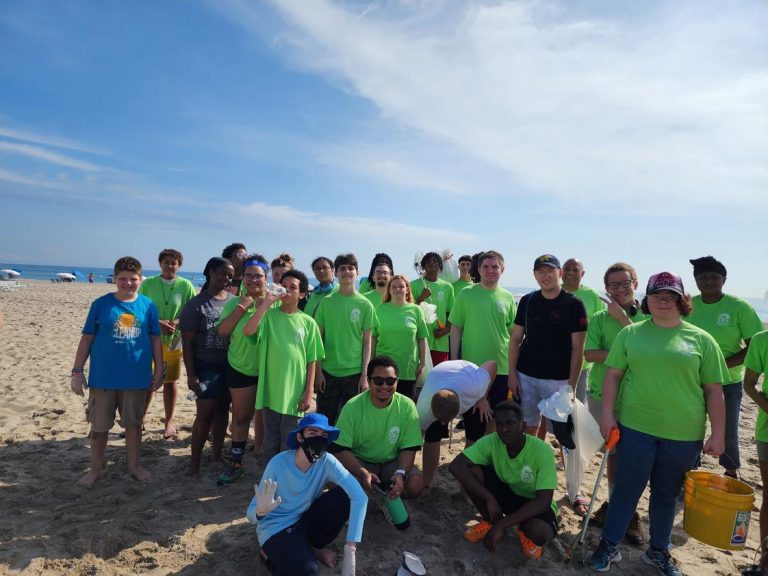
The institute for learning development sets the stage for this enthralling narrative, offering readers a glimpse into a story that is rich in detail and brimming with originality from the outset.

These institutes play a crucial role in enhancing educational experiences, equipping learners with necessary skills and knowledge. By understanding their mission and the historical context, we can appreciate their impact on modern education and the innovative programs they provide.

Overview of Learning Development Institutes

Learning development institutes serve as vital platforms aimed at enhancing educational practices and fostering a culture of lifelong learning. Their primary mission is to equip educators and learners with innovative tools and strategies that improve educational outcomes. These institutes play a crucial role in modern education, as they adapt to the ever-changing landscape of knowledge and skills required in today’s world.Historically, the evolution of learning development institutes can be traced back to the need for professional development in teaching.

Initially focused on traditional teaching practices, these institutes have expanded their scope over the years, incorporating modern pedagogical theories and technologies to meet the diverse needs of learners.

Programs Offered by Learning Development Institutes

Learning development institutes offer a variety of programs designed to cater to different audiences and educational needs. These programs typically include workshops, seminars, and certification courses, each tailored to address specific learning objectives.

Program Type Target Audience
Workshops Teachers and Educators
Seminars School Administrators
Certification Courses Professionals seeking credentials

In addition to these general offerings, many institutes provide specialized programs catering to specific age groups or learning needs, such as early childhood education workshops or adult learning seminars, ensuring that all learners can benefit from their resources.

Teaching Methodologies in Learning Development

Innovative teaching methodologies are at the heart of learning development efforts. Institutes are increasingly employing active learning techniques, project-based learning, and flipped classrooms to engage students more effectively. These methods contrast significantly with traditional lecture-based teaching, which often limits student interaction and critical thinking.A comparison of traditional and modern teaching methods highlights the shift towards learner-centered approaches. Traditional methods typically focus on rote memorization and passive learning, whereas modern methodologies emphasize collaboration, problem-solving, and the integration of technology in the classroom.

Technology plays a pivotal role in enhancing these teaching methodologies. Tools such as interactive whiteboards, learning management systems, and educational apps facilitate a more dynamic learning environment, allowing for personalized learning experiences.

Impact on Student Learning Outcomes

Measuring student success and learning outcomes is essential for assessing the effectiveness of programs offered by learning development institutes. Many institutes employ a variety of assessment tools, including standardized tests, formative assessments, and feedback from participants to gauge efficacy.Statistics and case studies often illustrate the positive impact of such programs. For example, a recent study showed that schools implementing professional development programs saw a 15% increase in student achievement scores.

Testimonials from both students and educators further reinforce these findings, with many expressing increased confidence and improved skills as a direct result of their participation in these institutes.

Collaborations and Partnerships

Collaborations with schools, universities, and community organizations are critical for the success of learning development initiatives. Such partnerships expand resources, enhance program offerings, and provide broader support networks for educators and learners alike.Successful partnerships demonstrate the value of collaborative efforts. For instance, a partnership between a local university and a learning institute can result in co-hosted workshops that benefit both pre-service teachers and in-service educators.

Potential partners might include:

  • Local School Districts
  • Higher Education Institutions
  • Community Nonprofits
  • Businesses in Education Technology

These collaborations not only amplify the reach of learning development programs but also foster community engagement and support.

Challenges Faced by Learning Development Institutes

Learning development institutes face several challenges in delivering effective programs. Common issues include limited funding, resistance to change from educators, and the rapidly evolving educational landscape. Addressing these challenges requires innovative solutions and proactive strategies.Potential solutions might involve seeking alternative funding sources, such as grants or sponsorships, to support program development. Additionally, engaging educators in the program design process can help overcome resistance and ensure that initiatives reflect their needs and contexts.External factors, such as policy changes or shifts in educational priorities, can also impact learning development.

Staying informed about these trends allows institutes to adapt and remain relevant in their mission.

Future Trends in Learning Development

As education continues to evolve, several emerging trends are likely to shape the future of learning development institutes. The integration of artificial intelligence in personalized learning experiences is one significant change anticipated in the coming years.Key anticipated changes may include:

  • Increased use of data analytics to tailor learning experiences.
  • Greater emphasis on social-emotional learning within programs.
  • Expansion of online learning opportunities and hybrid models.

These trends reflect a broader recognition of the diverse needs of learners and the importance of creating inclusive educational environments.

Community Engagement and Outreach

Learning development institutes play a crucial role in engaging their communities. Several strategies can enhance community involvement, including family workshops, volunteer opportunities, and partnerships with local organizations to promote educational initiatives.Outreach programs that target underserved populations are particularly impactful. For example, initiatives aimed at providing tutoring or mentorship to at-risk youth can help bridge educational gaps.

Outreach Strategy Effectiveness
Family Workshops High
Community Tutoring Programs Moderate
Mentorship Initiatives High

These community engagement efforts not only improve educational access but also foster a sense of belonging and support among learners and their families.

Outcome Summary

In conclusion, the institute for learning development not only shapes individual learning journeys but also fosters community growth and engagement. As we look ahead, these institutes must adapt to emerging trends and continue to address challenges to fulfill their vital mission in education.

Question Bank

What is the mission of an institute for learning development?

The mission is to enhance learning experiences and outcomes through innovative programs and methodologies.

How do learning development institutes measure success?

They typically use a combination of assessments, student feedback, and performance metrics to gauge effectiveness.

Who can benefit from programs offered by these institutes?

Programs are designed for diverse audiences, including students of all ages, educators, and professionals seeking skill enhancement.

What challenges do these institutes face?

Common challenges include funding limitations, adapting to technology, and meeting the diverse needs of learners.

What role does technology play in learning development?

Technology enhances instructional methods, allowing for personalized learning experiences and efficient program delivery.

Online learning platform creation is revolutionizing how education is accessed and delivered, making learning more flexible and engaging. As technology continues to evolve, these platforms cater to diverse audiences, addressing their unique needs and preferences.

From user-friendly designs to interactive content, building a successful online learning platform requires a careful blend of strategy, technology, and community engagement. This guide will explore essential principles, effective tools, and innovative marketing strategies to help you create a thriving educational hub.

Conceptualizing Online Learning Platforms

Creating an online learning platform requires a deep understanding of both educational methodologies and technological capabilities. It’s not just about putting content online; it’s about creating an engaging learning experience that meets the diverse needs of learners. The focus should always be on delivering value through well-structured content, community interaction, and an intuitive user interface.To effectively cater to the needs of users, it’s vital to identify the target audience and their specific requirements.

This can vary significantly, from traditional students and professionals seeking upskilling opportunities to lifelong learners looking to explore new interests. Understanding these nuances helps in shaping the platform’s offerings and functionality.

Target Audience and Their Needs

Identifying the target audience for online learning platforms entails understanding their demographics, educational backgrounds, and motivation for seeking online education. Different groups have distinct preferences and requirements.

  • Students: Often looking for supplementary resources to enhance their learning, students require interactive materials, quizzes, and opportunities for collaboration with peers.
  • Professionals: Typically interested in upskilling or reskilling, professionals seek courses that offer practical applications, certifications, and flexibility to fit around their work schedules.
  • Lifelong Learners: This group is motivated by personal interest and self-improvement, seeking a diverse range of topics with engaging content and community support.
  • Educators: Often looking for platforms to share their knowledge and connect with learners, educators need tools for content creation, analytics to track learner progress, and forums for interaction.

Understanding these needs allows for the development of features that enhance user engagement and satisfaction.

Unique Selling Propositions of Online Learning Platforms

To stand out in the increasingly crowded online learning space, platforms must articulate clear unique selling propositions (USPs). These are pivotal in attracting and retaining users by emphasizing what makes the platform distinctive.

  • Personalization: Many platforms offer AI-driven recommendations based on user behavior, allowing for a tailored learning experience that adapts to individual progress and preferences.
  • Interactive Learning: Incorporating elements such as live classes, discussion forums, and gamified learning experiences enhances user engagement and retention.
  • Accessibility: Ensuring content is accessible on various devices and accommodating different learning styles is crucial for reaching a broader audience.
  • Community Support: Building a strong community around the platform fosters collaboration, peer learning, and mentorship opportunities that enhance the overall learning experience.
  • Quality Assurance: Providing high-quality content created by subject matter experts guarantees that learners receive credible and valuable information.

These USPs not only help in marketing the platform effectively but also play a critical role in ensuring user satisfaction and loyalty.

Design and User Experience

Creating an effective online learning platform requires careful attention to design and user experience (UX). A well-structured interface not only enhances engagement but also supports learners in navigating diverse content types effortlessly. This segment discusses how design elements, accessibility features, and visual hierarchies contribute to an enriching online education experience.

User-Friendly Interface Design

An intuitive interface is essential in guiding learners through their educational journey. A user-friendly interface reduces cognitive load, making it easier for users to focus on learning rather than struggling with navigation. Key elements to consider in interface design include:

  • Clear Navigation: Easy-to-understand menus and button placements help users find resources quickly.
  • Consistent Layout: Uniformity in design elements across the platform fosters familiarity and comfort.
  • Responsive Design: Ensuring compatibility with various devices enhances accessibility for all learners.

Importance of Accessibility Features

Accessibility is a paramount consideration for online learning platforms. By incorporating features that support diverse learning needs, platforms can ensure that education is inclusive and equitable. Some essential accessibility features include:

  • Screen Reader Compatibility: Allowing visually impaired users to navigate and comprehend content through auditory means.
  • Keyboard Navigation: Enabling users to access all functions using keyboard shortcuts, aiding those with mobility challenges.
  • Adjustable Text Sizes: Users can modify text size for better readability, accommodating various visual preferences.

Visual Hierarchy and Content Organization

Establishing a clear visual hierarchy is crucial for guiding users through learning content effectively. A well-organized structure helps learners prioritize information and enhances the overall learning experience. Important aspects of visual hierarchy include:

  • Use of Headings and Subheadings: Clearly defined headings help users navigate through sections effortlessly.
  • Color Coding: Differentiating content types (e.g., quizzes, videos, articles) through color helps learners identify resources quickly.
  • Whitespace Utilization: Adequate spacing between elements reduces clutter, making the platform more visually appealing and less overwhelming.

Effective design and a strong user experience promote learner satisfaction and retention, ultimately leading to better educational outcomes.

Content Development Strategies

Developing effective learning materials is crucial in creating an engaging online learning environment. This involves employing various content formats that cater to different learning styles and preferences. A well-rounded approach not only enhances the learning experience but also ensures that the educational materials remain relevant and impactful over time.

Framework for Developing Diverse Learning Materials

When crafting learning materials, a structured framework is essential for ensuring diversity and effectiveness. The combination of different formats can cater to various learner needs, making the content more engaging. Key components of this framework include:

  • Videos: High-quality video content can break down complex topics into digestible segments, utilizing visuals, animations, and real-life examples. Incorporating storytelling elements can also enhance viewer engagement.
  • Quizzes: Interactive quizzes serve as a powerful tool for reinforcing knowledge. They provide immediate feedback and can help learners identify areas needing improvement, thus encouraging self-directed study.
  • Articles: Written content offers depth and detail, allowing for comprehensive exploration of subjects. Articles can include case studies, research findings, and practical tips that learners can reference as needed.

Importance of Interactive Content and Its Impact on Learner Retention

Interactive content plays a pivotal role in enhancing learner engagement and retention rates. By actively involving learners in the educational process, interactive elements can make learning more memorable.

Research shows that people retain information better when they engage with it actively, rather than passively consuming it.

Examples of effective interactive content include:

  • Simulations: These allow learners to practice skills in a controlled environment, providing hands-on experience that can enhance understanding and retention.
  • Discussion Forums: Enabling learners to share insights and experiences fosters a sense of community, encouraging collaborative learning and diverse perspectives.
  • Gamification: Adding game-like elements such as points, badges, or leaderboards can motivate learners and make the learning experience more enjoyable.

Best Practices for Updating and Curating Existing Educational Content

Maintaining the relevance and accuracy of educational content is imperative. Regular updates ensure that learners have access to the latest information and resources. To effectively update and curate content, consider the following best practices:

  • Regular Reviews: Schedule periodic evaluations of existing materials to check for accuracy, relevance, and alignment with current educational standards.
  • Incorporate Feedback: Actively seek and incorporate feedback from learners regarding the materials. This can provide insights into what is working and what may need improvement.
  • Utilize Analytics: Track learner engagement and performance metrics to identify which content is most effective. Data-driven insights can guide future updates and content creation.

Technology and Tools Required

Creating a robust online learning platform necessitates a thoughtful selection of technology and tools that can effectively support both content delivery and user engagement. The chosen technologies must ensure a smooth user experience while providing essential functionalities for administrators and instructors. By carefully curating the right mix of tools, educators can foster an interactive and effective online learning environment.

Essential Technologies for Building an Online Learning Platform

Several core technologies are pivotal in the development of an online learning platform. These technologies form the backbone of the platform, ensuring it is functional, user-friendly, and scalable. Below is a list of crucial technologies that should be considered during the platform’s development:

  • Learning Management System (LMS): A robust LMS serves as the central hub for course management, user enrollment, and content delivery. Popular LMS options include Moodle, Canvas, and Blackboard.
  • Content Management System (CMS): A CMS is essential for creating and organizing educational content. WordPress and Joomla are widely used for their flexibility and ease of use.
  • Video Hosting Platforms: To host and stream video content seamlessly, platforms like Vimeo or YouTube can be integrated, allowing for high-quality video delivery.
  • Payment Gateway Solutions: For monetizing courses, secure payment gateways such as PayPal or Stripe are necessary to handle transactions safely and efficiently.

Software Tools for Creating and Managing Course Content

To facilitate the creation and management of engaging course content, a variety of software tools are available. These tools can enhance the quality of instructional materials and improve the overall learning experience.

  • Authoring Tools: Software like Articulate 360 and Adobe Captivate allow instructors to design interactive e-learning courses without needing extensive programming knowledge.
  • Graphic Design Software: Tools such as Canva and Adobe Creative Suite help in creating visually appealing course materials, including presentations and promotional graphics.
  • Collaboration Tools: Platforms like Google Workspace or Microsoft Teams facilitate easy collaboration between instructors and students, allowing for effective communication and document sharing.
  • Assessment Tools: Online quiz and survey tools like Quizlet and SurveyMonkey enable the creation of assessments to gauge learner understanding and engagement.

Importance of Mobile Compatibility in the Technology Stack

In today’s digital age, ensuring mobile compatibility is crucial for an online learning platform. With a significant percentage of learners accessing content via smartphones and tablets, the technology stack must be optimized for mobile use.

Mobile compatibility enhances accessibility, allowing learners to engage with educational materials anytime and anywhere.

Responsive design frameworks, such as Bootstrap, can be utilized to ensure that the platform functions optimally across various devices. Additionally, developing a dedicated mobile app can further improve user experience, providing offline access to course materials and enabling push notifications for important updates. By prioritizing mobile compatibility, educators can reach a broader audience and foster a more inclusive learning environment.

Marketing and User Acquisition

To successfully attract learners to an online learning platform, a well-thought-out marketing strategy is essential. This involves not only traditional advertising methods but also innovative approaches that engage potential users through various channels. Understanding the audience and utilizing data-driven techniques allows for effective promotion, ensuring that the platform reaches its target demographic.

Strategies for Promoting an Online Learning Platform

An effective marketing strategy for an online learning platform can take several forms. It is important to utilize a mix of both online and offline channels to maximize visibility and engagement. This includes creating compelling content that resonates with potential users, utilizing search engine optimization () to increase organic traffic, and leveraging partnerships with influencers in the education sector.

  • Content Marketing: Creating informative blog posts, videos, and podcasts that address topics relevant to potential learners helps build authority and attracts traffic.
  • Search Engine Optimization: Implementing best practices will improve the platform’s visibility in search engine results, making it easier for users to find.
  • Influencer Collaborations: Partnering with industry experts or educators can enhance credibility and expand reach to their followers.
  • Paid Advertising: Utilizing pay-per-click (PPC) advertisements on social media and search engines can rapidly increase platform visibility to targeted audiences.
  • Affiliate Marketing: Establishing an affiliate program incentivizes bloggers and educators to promote the platform, driving more traffic and potential sign-ups.

Leveraging Social Media for Increased Visibility

Social media platforms are powerful tools for reaching a wide audience, and they can be utilized to create a community around the online learning platform. Engaging content, regular interaction, and strategic ad placement can significantly boost visibility and user engagement.

  • Engaging Posts: Regularly share informative and entertaining content that encourages interaction, such as quizzes, polls, and infographics.
  • Community Building: Create groups or forums where learners can connect, share experiences, and support each other, fostering a sense of belonging.
  • Live Sessions: Hosting live Q&A sessions or webinars can showcase the platform’s offerings while engaging potential learners directly.
  • Targeted Ads: Use social media advertising tools to create targeted campaigns that reach specific demographics interested in online learning.
  • Content Sharing: Encourage users to share their learning experiences on their profiles, utilizing hashtags and tagging the platform to increase reach.

Email Marketing Campaign Techniques

An email marketing campaign is essential for keeping potential learners informed and engaged. Crafting personalized and relevant content can significantly enhance open rates and conversions.

  • Segmentation: Divide the email list into segments based on user interests or behavior to tailor messages that resonate with specific groups.
  • Compelling Subject Lines: Create intriguing subject lines that encourage users to open the email, focusing on the benefits and value of the content inside.
  • Value-Driven Content: Provide useful resources, such as free e-books or exclusive webinars, that offer value to subscribers and entice them to explore the platform further.
  • Regular Updates: Send newsletters regularly to keep users informed about new courses, features, or success stories, maintaining engagement over time.
  • Clear Call-to-Action: Each email should include a clear and compelling call-to-action, guiding recipients on what to do next, whether it’s signing up for a course or visiting the website.

“Effective marketing is about connecting with your audience in ways that resonate and inspire them to take action.”

Monetization Models

Online learning platforms have multiple monetization strategies, each with its unique advantages and challenges. Understanding these models helps in crafting a financial plan that aligns with your platform’s goals and user preferences. This discussion focuses on prominent monetization strategies, the implementation of free trials or freemium models, and the potential for partnerships and sponsorships as revenue sources.

Comparison of Monetization Strategies

When considering how to monetize an online learning platform, two primary models stand out: subscriptions and one-time payments. Each has its benefits depending on the target audience and type of content offered.

  • Subscription Model: This model allows users to access a wide range of courses for a recurring fee, typically monthly or annually. This approach can lead to a steady revenue stream and higher customer retention rates. Examples include platforms like Coursera and LinkedIn Learning.
  • One-Time Payments: Users purchase individual courses for a fixed price. This model may attract users who are hesitant to commit to a subscription. Platforms such as Udemy utilize this approach, often running promotions to encourage sales.

The choice between these models often depends on the nature of the content; subscription models work well for platforms offering extensive libraries, while one-time payments suit niche courses.

Free Trials and Freemium Models

Offering free trials or implementing a freemium model can effectively draw in new users and convert them into paying customers. This approach allows potential users to experience the platform’s offerings without initial financial commitment.

  • Free Trials: Provide access to the full range of courses for a limited period, typically 7 to 30 days. This enables users to explore the platform and assess its value. Emphasizing the benefits during the trial can increase conversion rates.
  • Freemium Model: Users gain access to basic courses for free while premium or advanced content requires payment. This model can build a large user base and create upsell opportunities. For instance, many platforms offer a few free courses with the option to purchase additional content.

To optimize these models, it’s essential to track user engagement and feedback, adjusting offerings to enhance the overall experience.

Partnerships and Sponsorships

Partnerships with educational institutions, businesses, and industry experts can create additional revenue streams for online learning platforms. Collaborations can enhance credibility and attract larger audiences.

  • Institutional Partnerships: Collaborating with universities or colleges can provide access to accredited courses, attracting students seeking formal qualification.
  • Sponsorship Opportunities: Partnering with companies interested in targeting specific audiences can lead to sponsored courses or branded content. This is effective in sectors like technology, where companies may want to promote their latest products through training programs.

These partnerships not only generate revenue but also enhance the platform’s offerings and reach a broader audience.

Measuring Success and Improvement

How to Create an Online Learning Platform: Key Tips

To ensure an online learning platform is effectively meeting the needs of its users, it is crucial to establish metrics that can evaluate its success. These metrics, known as key performance indicators (KPIs), help in assessing various aspects of the platform. Additionally, gathering user feedback and conducting usability testing play significant roles in the continuous improvement process, ensuring that the platform evolves alongside user needs.

Key Performance Indicators (KPIs)

Identifying KPIs is essential for assessing the overall effectiveness of an online learning platform. These indicators provide valuable insights into user engagement, learning outcomes, and overall satisfaction. Key KPIs to consider include:

  • User Enrollment Rates: The number of users signing up for courses, indicating the platform’s appeal and reach.
  • Course Completion Rates: The percentage of users who complete courses, reflecting the effectiveness of course design and user engagement strategies.
  • Time Spent on Platform: Average time users spend on the platform, which helps gauge user interest and the quality of content.
  • Assessment Scores: The average scores achieved by users on quizzes and assignments, revealing the educational impact of the courses.
  • User Retention Rates: The percentage of users returning for additional courses, showcasing the platform’s ability to foster a loyal user base.

User Feedback for Continuous Improvement

Gathering user feedback is vital for the ongoing enhancement of an online learning platform. Feedback can highlight areas for improvement and provide insights into user experiences. Effective methods for gathering feedback include:

  • Surveys: Deploying surveys post-course completion to gather insights on user satisfaction and content effectiveness.
  • Focus Groups: Conducting focus group discussions with users to delve deeper into their experiences and suggestions for improvement.
  • User Interviews: Conducting one-on-one interviews to capture detailed feedback and personal insights from users.
  • Feedback Forms: Integrating feedback forms directly within the platform for real-time user input on course content and usability.

Usability Testing Methods

Conducting usability testing is essential for refining the user experience of an online learning platform. This helps identify pain points and areas where users may struggle. Effective methods for usability testing include:

  • Task-Based Testing: Asking users to complete specific tasks on the platform while observing their interactions, which provides insights into usability issues.
  • A/B Testing: Comparing two versions of a webpage or feature to measure which performs better in terms of user engagement and satisfaction.
  • Heatmaps: Utilizing heatmap tools to visualize user interaction patterns, revealing which areas attract attention and which are ignored.
  • Remote Usability Testing: Allowing users to participate in testing remotely, which can increase the diversity of feedback and simulate real-world usage.

“Measuring success through KPIs and user feedback creates a pathway for continuous improvement that aligns with user expectations and enhances learning outcomes.”

Community Building and Support

Creating a vibrant learning community is essential for enhancing user experience and promoting engagement in an online learning environment. A strong community not only supports learners as they navigate their educational journeys but also fosters collaboration, motivation, and a sense of belonging. The right strategies can transform your platform into a thriving hub where users connect, share knowledge, and support one another.

Establishing a learning community involves implementing effective strategies that encourage interaction and collaboration among users. Building a sense of community can significantly enhance the overall learning experience, making it essential to prioritize this aspect when designing your platform. Here are some key strategies to consider:

Strategies for Fostering a Learning Community

A few effective strategies can help cultivate a supportive and interactive learning environment. These include:

  • Create a welcoming environment: Design your platform to be user-friendly and inviting. Ensure that new users can easily navigate the site and find resources, which will encourage them to participate actively.
  • Encourage peer interactions: Introduce group projects or collaborative assignments that require learners to work together, fostering connections and teamwork.
  • Host regular community events: Organize webinars, discussions, or Q&A sessions where users can interact with instructors and each other, helping to solidify connections.
  • Reward engagement: Incentivize participation through recognition systems. Badges, leaderboards, and other forms of recognition can motivate users to engage more actively.

Role of Forums and Discussion Boards

Forums and discussion boards play a pivotal role in enhancing user interaction within an online learning platform. These platforms provide a space for learners to ask questions, share insights, and collaborate on various topics. The benefits of utilizing forums include:

  • Facilitating knowledge sharing: Users can post questions and answers, allowing information to flow freely within the community.
  • Encouraging diverse perspectives: Discussion boards allow users from different backgrounds to contribute their unique viewpoints, enriching the learning experience for everyone.
  • Enhancing retention: Active participation in discussions can lead to better retention of knowledge as users engage more deeply with the material.
  • Fostering relationships: Forums enable users to connect on a personal level, helping to build friendships and professional networks that may extend beyond the educational context.

Best Practices for Customer Support

Providing effective customer support is crucial in online learning environments to ensure users feel valued and supported. Here are some best practices to enhance customer assistance:

  • Offer multiple channels of support: Provide various options for users to get help, including live chat, email, and phone support. This accessibility can improve user satisfaction.
  • Implement a knowledge base: Create a comprehensive FAQ or help center that addresses common issues. This resource can empower users to find answers independently.
  • Train support staff: Ensure that your customer support team is knowledgeable about the platform and its offerings. This training enables them to provide accurate assistance efficiently.
  • Solicit user feedback: Regularly gather feedback about the support experience and use this input to make improvements. This approach shows users that their opinions matter and encourages loyalty.

Building a community requires intentional effort and an understanding of users’ needs; mutual support leads to a more enriching learning experience.

Closing Notes

In conclusion, the journey of online learning platform creation is filled with opportunities to innovate and connect with learners. By focusing on user experience, content quality, and community support, you can establish an impactful platform that not only educates but inspires.

FAQ

What are the key features of an effective online learning platform?

Key features include user-friendly navigation, diverse content types, interactive elements, and strong community support.

How can I ensure my online learning platform is accessible?

Implement accessibility standards like screen reader compatibility, captions for videos, and easy navigation for all users.

What technologies are essential for building an online learning platform?

Essential technologies include a robust Learning Management System (LMS), content creation tools, and mobile optimization frameworks.

How do I attract users to my online learning platform?

Utilize social media marketing, content marketing, and email campaigns to build awareness and attract potential learners.

What monetization strategies work best for online learning platforms?

Common strategies include subscription models, one-time payments, freemium offerings, and partnership opportunities.