Best masters in finance online programs offer a flexible and efficient way for students to advance their careers in finance without being tied down to a traditional classroom setting. These programs combine rigorous academic training with the convenience of online learning, making it possible to balance work, life, and studies seamlessly.
By exploring various online finance master’s programs, prospective students can gain insight into the curriculum, advantages, and the crucial factors to consider when choosing the right program that fits their needs and goals.
Overview of Online Finance Master’s Programs
Obtaining a master’s degree in finance online has become an increasingly popular choice among professionals seeking to advance their careers. This format offers flexibility, allowing students to balance work and study while gaining critical skills in finance. With the rise of online education, these programs are designed to provide the same level of education as traditional classroom settings, but with the added convenience of studying from anywhere.Typical online finance master’s programs encompass a variety of curriculum components, including core subjects such as financial analysis, investment strategies, risk management, and corporate finance.
Students may also have opportunities to specialize in areas like fintech, international finance, or real estate finance. The advantages of pursuing an online degree are numerous: students can learn at their own pace, access a wider range of programs, and often save on commuting and living costs associated with attending a physical campus.
Factors to Consider When Choosing an Online Program
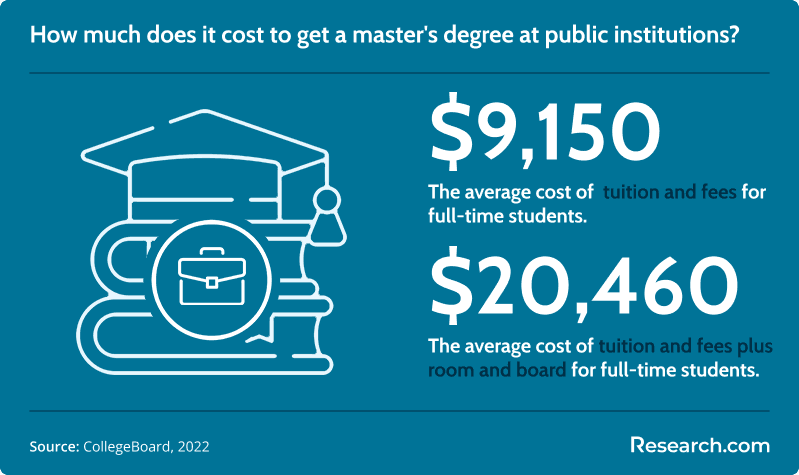
When selecting an online finance master’s program, there are several key factors that prospective students should consider to ensure they choose the right fit. First and foremost, accreditation is crucial; it affects the program’s credibility and can impact future employment opportunities. Choosing an accredited program means the education received meets certain standards recognized by employers and other institutions.Another important aspect to evaluate is the cost of the program, along with its duration and delivery format.
Some programs may offer accelerated paths, while others may be designed for part-time study to accommodate working professionals. Here’s a comparison table of some top online finance programs based on these factors:
| Program Name | Cost | Duration | Delivery Format |
|---|---|---|---|
| University of Pennsylvania (Wharton) | $80,000 | 24 months | Online + In-person options |
| Columbia University | $60,000 | 20 months | Online |
| University of Michigan | $50,000 | 18 months | Online |
Top Online Finance Master’s Programs
Here’s a curated list of some of the best online finance master’s programs available:
- University of Pennsylvania (Wharton): Renowned for its rigorous curriculum and distinguished faculty, Wharton offers an online MBA with a finance concentration that equips students with advanced financial knowledge and analytical skills.
- Columbia University: Columbia’s online finance master’s program focuses on investment management and corporate finance, featuring live classes with industry experts.
- University of Michigan: This program emphasizes real-world applications and includes hands-on projects that allow students to apply their learning in practical scenarios.
Each of these programs stands out for unique features that enhance the learning experience. For instance, Wharton’s extensive alumni network provides students with valuable networking opportunities, while Columbia’s integration of live classes with pre-recorded lectures allows for flexibility in learning.
Career Opportunities with a Master’s in Finance
Graduates of online finance master’s programs have a wealth of career paths available to them. Common roles include financial analyst, investment banker, financial manager, and risk manager. These positions are not only rewarding but also come with competitive salaries; for instance, financial analysts can expect to earn an average salary of around $83,000 annually, while financial managers may earn upwards of $130,000.Statistics show that job placement rates for graduates from top programs are quite favorable, with many schools reporting placement rates above 90%.
This high demand for finance professionals indicates a strong job market for those holding advanced degrees in finance.
Student Experiences and Testimonials
Student experiences in online finance master’s programs often highlight both challenges and successes. Many students express gratitude for the flexibility that online learning provides, allowing them to balance work and education effectively. However, some also note the importance of self-discipline and time management to succeed in this format.
“The online program allowed me to continue working while earning my degree, which was essential for my career growth.”
Jane D., Finance Graduate
“I loved the interactive elements of my classes, which made online learning feel less isolated.”
Mark S., Finance Graduate
Common themes in these testimonials include the importance of networking opportunities and the support offered by faculty and peers, which enhance the overall learning experience.
Financial Aid and Scholarships
Navigating financial aid options is crucial for students pursuing an online finance master’s degree. There are various resources available, including federal student loans, grants, and scholarships tailored specifically for finance students. Here’s a list of financial assistance resources for students:
- FAFSA (Free Application for Federal Student Aid) for federal loans and grants.
- Professional organizations offering scholarships for finance students, such as the CFA Institute.
- University-specific scholarships aimed at graduate finance students.
Applying for these financial aid options can help lessen the financial burden and make obtaining a degree more accessible.
Future Trends in Online Finance Education
The landscape of online finance education is continuously evolving, with several emerging trends shaping its future. One significant trend is the increased integration of technology into coursework; tools such as data analytics and financial modeling software are becoming standard components of finance curriculums.Additionally, advancements in artificial intelligence and machine learning are influencing the skills taught in finance programs, preparing students for a rapidly changing job market.
These trends suggest that finance professionals will increasingly need to adapt and learn new technologies to stay competitive in their fields.As online education continues to grow, it’s likely that the job market for finance professionals will become even more dynamic, offering new opportunities for those who are prepared to embrace technological advancements.
Final Wrap-Up
In conclusion, pursuing a master’s degree in finance online not only opens doors to numerous career opportunities but also enhances one’s knowledge and skills in an ever-evolving field. By carefully selecting a program that aligns with your aspirations and utilizing available resources, you can set yourself on a path to success in the finance world.
Question Bank
What is the typical duration of online finance master’s programs?
Most online finance master’s programs can be completed in 1 to 2 years, depending on the course load and the institution’s structure.
Are online finance master’s degrees respected by employers?
Yes, accredited online finance master’s degrees are generally respected by employers, especially if the program is from a reputable institution.
What kind of financial aid is available for online students?
Online students can access federal financial aid, scholarships, grants, and institutional aid specifically offered for online programs.
Can I pursue a specialization within an online finance master’s program?
Many online finance master’s programs offer specializations in areas such as investment management, financial analysis, or corporate finance.
What are the typical admission requirements for these programs?
Admission requirements generally include a bachelor’s degree, letters of recommendation, a personal statement, and sometimes standardized test scores like the GMAT or GRE.